
Green-cheeked conures (Pyrrhura molinae) are often considered one of the most affectionate and intelligent small parrots. However, many prospective owners are surprised by their price compared to other small parrots such as budgies or cockatiels. As an avian veterinarian, I am frequently asked why green-cheeked conures cost significantly more than expected.
The answer lies in biology, ethics, breeding complexity, veterinary care, and market demand—not simply profit.
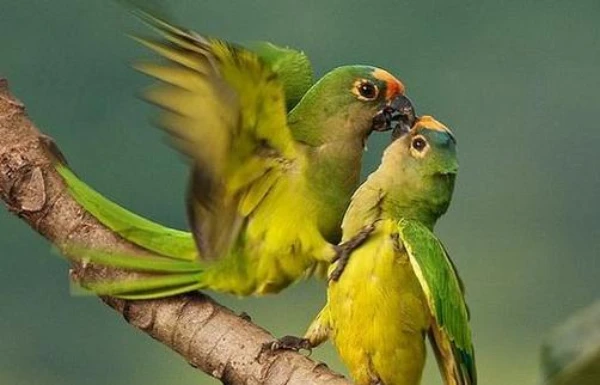

1. Species Background and Conservation Status
- Common name: Green-cheeked conure
- Scientific name: Pyrrhura molinae
- Native range: South America (Bolivia, Brazil, Argentina, Paraguay)
IUCN Conservation Status
Green-cheeked conures are currently classified as Least Concern, meaning they are not endangered globally. However, habitat loss and illegal wildlife trade still affect wild populations, increasing regulatory oversight and responsible breeding costs.
While not rare, they are ethically protected, which directly impacts availability and pricing.
2. Responsible Captive Breeding Is Expensive
Unlike mass-produced birds, green-cheeked conures are typically bred by specialized avian breeders, not large commercial operations.
Why breeding costs are high:
- Long bonding periods for breeding pairs
- Limited clutch sizes (usually 4–6 eggs)
- High chick mortality risk without expert care
- Hand-feeding every 2–4 hours for weeks
Ethical breeders invest heavily in:
- Climate-controlled aviaries
- Species-appropriate diets
- Veterinary oversight
This raises the baseline cost of each healthy chick.
3. Veterinary Care Before Sale
From a veterinary standpoint, properly bred green-cheeked conures often receive:
- Pre-sale health examinations
- Disease screening (Psittacosis, Polyomavirus, PBFD)
- DNA sexing
- Weaning supervision
These medical interventions significantly improve welfare—but also increase cost.
🔗 Association of Avian Veterinarians (AAV)
https://www.aav.org
4. High Demand for Temperament and Intelligence
Green-cheeked conures are:
- Exceptionally social
- Highly intelligent for their size
- Known for strong human bonding
- Relatively quieter than many conures
This combination makes them one of the most sought-after companion parrots, increasing market demand and price.
In economic terms:
High demand + limited ethical supply = higher cost
5. Color Mutations Increase Price Further
Selective breeding has produced popular color mutations such as:
- Pineapple
- Turquoise
- Cinnamon
- Yellow-sided
These mutations require:
- Genetic planning
- Multi-generation breeding
- Increased risk of failed pairings
As a result, mutation conures often cost significantly more than wild-type birds.
6. Legal and Ethical Trade Compliance
Birds sold legally in the U.S. must comply with:
- Animal Welfare Act
- Lacey Act
- State wildlife laws
🔗 U.S. Fish & Wildlife Service – Wildlife Trade
https://www.fws.gov/program/international-affairs
Compliance increases breeder costs but ensures:
- No illegal wild capture
- Humane transport
- Traceable origin
This protects both the species and the buyer.
7. Longevity and Lifetime Value
Green-cheeked conures live 20–30 years with proper care. From a veterinary perspective, their price reflects a long-term companion, not a short-lived pet.
Owners are investing in:
- Decades of companionship
- Advanced cognitive engagement
- Emotional bonding
The initial purchase price is only a small portion of lifetime care costs—but it reflects long-term value.
8. Typical Price Range (U.S.)
While prices vary by region and mutation:
- Standard green-cheeked conure: $400–$700
- Color mutations: $700–$1,200+
- Hand-raised, DNA-sexed birds: higher end of range
Extremely low prices are often a red flag for poor welfare or illegal sourcing.
9. Final Veterinary Perspective
Green-cheeked conures are expensive because they are:
- Ethically bred
- Medically supported
- Cognitively complex
- Highly desired
- Long-lived companion animals
From an avian veterinarian’s standpoint, a higher price often correlates with better welfare and long-term health, benefiting both bird and owner.
Authoritative References
- Association of Avian Veterinarians (AAV)
https://www.aav.org - U.S. Fish & Wildlife Service – Wildlife Trade
https://www.fws.gov/program/international-affairs - World Parrot Trust
https://www.parrots.org
Veterinary Disclaimer
This article is for educational purposes only and does not replace individualized veterinary or legal advice. Always purchase parrots from reputable, transparent breeders.
Article title: Why Are Green-Cheeked Conures So Expensive?
Article link: https://www.parrot234.com/why-are-green-cheeked-conures-so-expensive/
Disclaimer: The content of this site is contributed by users, compiled from the Internet, or edited by AI, so no guarantee can be made for the authenticity of the content! Please judge the authenticity of the content by yourself! However, if you find any suspected: plagiarism, infringement, illegal and irregular, suspected fraud, false and bad content, please contact this site in time through the "Contact & Suggestion" channel at the bottom. This site always maintains an active and cooperative attitude to deal with various problems, so after receiving the email, the corresponding content will be deleted!
