
Macaws are among the most captivating birds in avian medicine—intelligent, emotionally expressive, and physically powerful. However, their beauty often masks the fact that they are one of the most demanding pet species. As an avian veterinarian, I counsel many prospective owners who underestimate the long-term responsibilities associated with macaw care. This guide provides a clear, authoritative overview of what every owner should know before bringing a macaw into the home.
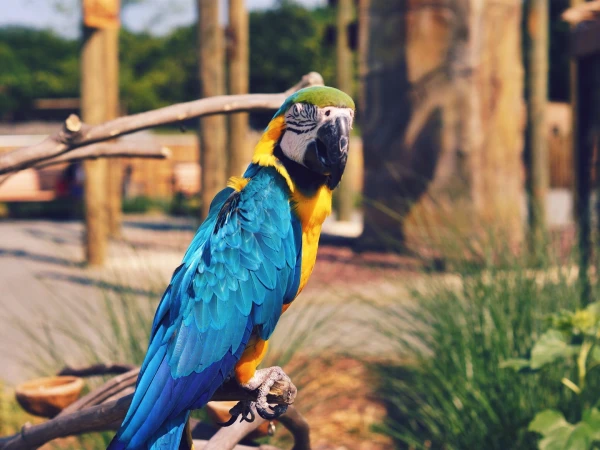

1. Macaws Are Long-Lived Birds
Macaws are a multi-decade commitment.
1.1. Lifespan Expectations
- Large macaws (Blue-and-Gold, Green-winged, Scarlet): 50–70 years
- Hyacinth macaw: up to 80 years
- Mini macaws: 25–35 years
These birds can easily outlive their owners, and responsible guardians should plan for long-term care—including future caretakers and estate arrangements.
2. Macaws Require Significant Space
A macaw’s size and wing span demand more space than typical household birds.
2.1. Cage Size
- Minimum for large macaws: 36″ x 48″ x 60″
- Minimum bar spacing: 1.25″ – 1.5″
- The cage must allow:
- Full wing extension
- Multiple perching zones
- Heavy-duty construction to withstand a strong beak
2.2. Out-of-Cage Time
Macaws need 3–5 hours of supervised out-of-cage activity daily. Without adequate space and stimulation, destructive behaviors and stress are common.
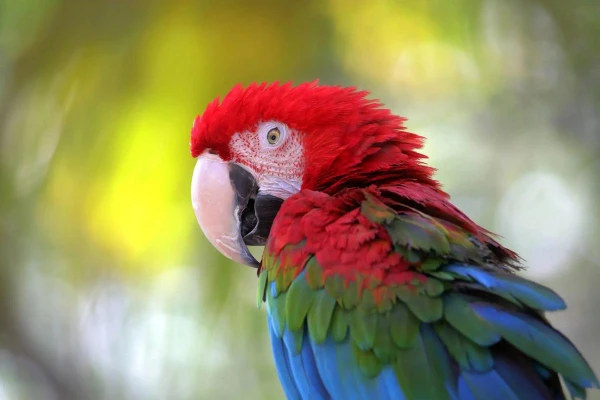
3. Macaws Are Highly Intelligent—and Emotionally Complex
Their intelligence is comparable to that of a young child.
3.1. Cognitive Needs
Macaws require:
- Daily social interaction
- Foraging toys
- Training sessions
- Environmental enrichment
Boredom leads to feather plucking, screaming, aggression, and anxiety.
3.2. Social Bonding
Macaws form deep attachments, often selecting a “primary person.”
Owners must be prepared for:
- Separation anxiety
- Strong pair-bond behavior
- The need for consistent social engagement
4. Macaws Are Loud
Very loud.
4.1. Natural Vocalization
Macaws use loud calls to:
- Communicate across large forest areas
- Signal flock presence
- Express emotion and excitement
A typical macaw scream can reach 100–110 decibels.
This makes them unsuitable for:
- Apartments
- Sensitive neighbors
- Noise-intolerant households
5. They Are Physically Powerful Birds
Macaws have one of the strongest beaks in the parrot family.
5.1. Bite Pressure
A large macaw can exert:
- 300–400 psi of bite force
Enough to break: - Wooden toys
- Furniture
- Even small bones
Proper training and respect for their body language are essential.
6. Macaws Require a Specialized Diet
Nutritional problems are among the top causes of illness in captive macaws.
6.1. Recommended Diet
A complete macaw diet includes:
- 70–80% formulated pellets
- Fresh vegetables (leafy greens, carrots, peppers)
- Fresh fruits in moderation
- Nuts (especially for large macaws like Hyacinths)
- Occasional healthy grains and legumes
6.2. Foods to Avoid
- Avocado
- Chocolate
- Caffeine
- Alcohol
- High-fat seeds as a daily diet
7. Veterinary Care Is Essential
Macaws require annual avian veterinary exams and preventive monitoring.
7.1. Common Medical Issues
- Psittacine beak and feather disease (PBFD)
- Aspergillosis
- Hypovitaminosis A
- Obesity
- Household toxin exposure (Teflon fumes, scented products)
7.2. Costs of Care
Macaw veterinary care is more expensive than for small parrots due to:
- Size
- Specialized anesthesia needs
- Advanced diagnostics
8. Macaw Ownership Is Financially Demanding
Costs vary, but prospective owners should be prepared.
8.1. Typical Costs
- Purchase price: USD 2,000–20,000, depending on species
- Cage and setup: USD 1,000–3,000
- Annual food and supplies: USD 800–1,500
- Veterinary care: USD 300–1,000+ annually
- Lifelong enrichment (toys are frequently destroyed)
Owning a macaw is closer to owning a large dog than a typical pet bird—both in cost and commitment.
9. Environmental and Household Considerations
Macaws can be sensitive to household hazards.
9.1. Toxic Risks
- Non-stick cookware fumes
- Scented candles
- Aerosol sprays
- Cigarette smoke
9.2. Destructive Behavior
Macaws chew:
- Doors
- Furniture
- Electrical cords
Proper bird-proofing is mandatory.
10. Ethical and Conservation Considerations
Macaws are protected species.
10.1. Legal Requirements
Depending on species and region, owners may need:
- CITES documentation
- Proof of captive-bred origin
- Local permits
10.2. Conservation Responsibility
Many macaws are threatened, and responsible ownership helps prevent illegal trafficking.
Final Thoughts: Is a Macaw Right for You?
Owning a macaw can be life-changing. These birds are affectionate, intelligent, and capable of forming strong relationships with their caretakers. However, they demand a high level of commitment—emotionally, financially, and environmentally.
Prospective owners should be certain they can meet all the requirements before choosing a macaw. When properly cared for, a macaw can thrive and remain a loyal companion for decades.
Article title: What to Know Before Owning a Macaw
Article link: https://www.parrot234.com/what-to-know-before-owning-a-macaw/
Disclaimer: The content of this site is contributed by users, compiled from the Internet, or edited by AI, so no guarantee can be made for the authenticity of the content! Please judge the authenticity of the content by yourself! However, if you find any suspected: plagiarism, infringement, illegal and irregular, suspected fraud, false and bad content, please contact this site in time through the "Contact & Suggestion" channel at the bottom. This site always maintains an active and cooperative attitude to deal with various problems, so after receiving the email, the corresponding content will be deleted!
