
Green-cheeked conures (Pyrrhura molinae) are active, intelligent parrots whose long-term health is directly influenced by diet. As an avian veterinarian, I frequently see preventable conditions—such as obesity, fatty liver disease, vitamin A deficiency, and behavioral problems—linked to improper nutrition.
This guide explains the best diet for a green-cheeked conure, based on veterinary science, clinical experience, and authoritative avian research.
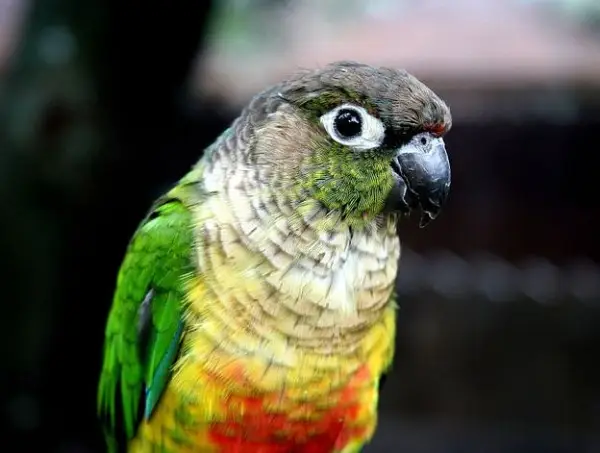

1. Species Background and Natural Feeding Behavior
Green-cheeked conures are native to central South America, inhabiting woodlands and forest edges. According to the IUCN Red List, the species is currently classified as Least Concern, but maintaining appropriate diet diversity is essential for captive health and longevity.
🔗 IUCN Red List – Pyrrhura molinae:
https://www.iucnredlist.org/species/22685820/130103512
Wild Diet Overview
In the wild, they consume:
- Fruits and berries
- Seeds and grains
- Plant buds and flowers
- Occasional nuts
This natural pattern informs how we design a healthy captive diet—varied, plant-rich, and balanced, not seed-heavy.
2. The Ideal Diet Composition (Veterinary Recommendation)
The healthiest diet for a green-cheeked conure follows this approximate structure:
| Food Type | Percentage of Diet |
|---|---|
| High-quality pellets | 60–70% |
| Fresh vegetables | 20–25% |
| Fruits | 5–10% |
| Seeds & nuts | <5% (treats only) |
This balance provides complete nutrition while minimizing disease risk.
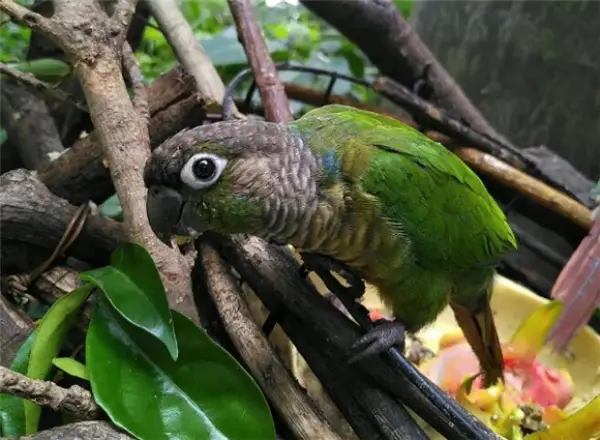
3. Pellets: The Nutritional Foundation
Why Pellets Matter
Veterinary-formulated pellets are designed to meet parrots’ requirements for:
- Vitamin A
- Calcium
- Essential amino acids
- Trace minerals
Unlike seed mixes, pellets prevent selective feeding and nutrient deficiencies.
Recommended Pellet Brands
- Harrison’s Adult Lifetime
- Roudybush Daily Maintenance
- ZuPreem Natural (dye-free)
Pellets should be fresh, species-appropriate, and free from artificial coloring.
4. Fresh Vegetables: Daily Essentials
Vegetables are critical for digestive health, immunity, and feather quality.
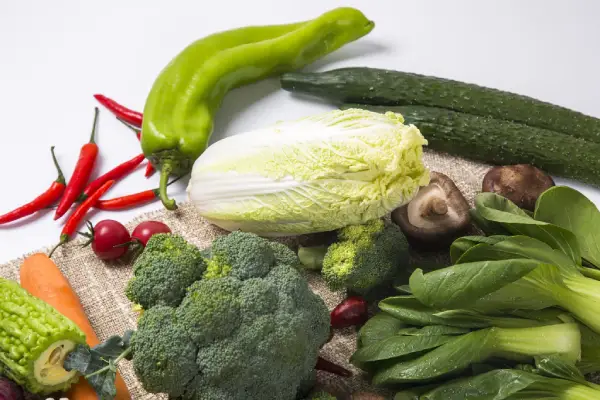
Best Vegetables for Green-Cheeked Conures
- Leafy greens (kale, collard greens, dandelion greens)
- Bell peppers (excellent vitamin A source)
- Broccoli
- Carrots
- Zucchini
- Squash
Vegetables should be offered daily, chopped into manageable pieces, and rotated regularly.
5. Fruit: Healthy but Limited
Fruits are enjoyed by conures but contain natural sugars.
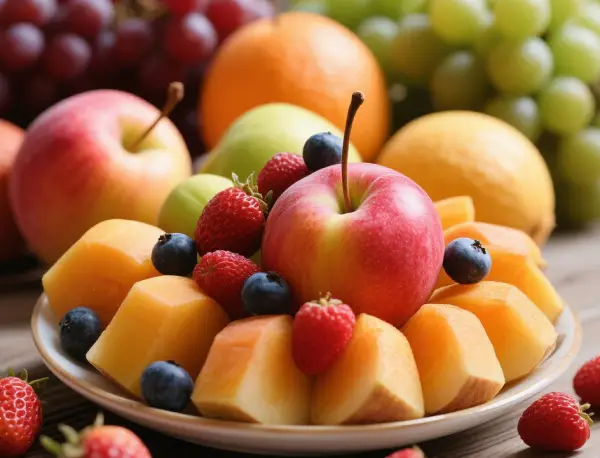
Safe Fruits (in Moderation)
- Apples (no seeds)
- Blueberries
- Mango
- Papaya
- Banana
- Pomegranate
Fruit should be offered a few times per week, not daily, to avoid excess sugar intake.
6. Seeds and Nuts: Treats Only
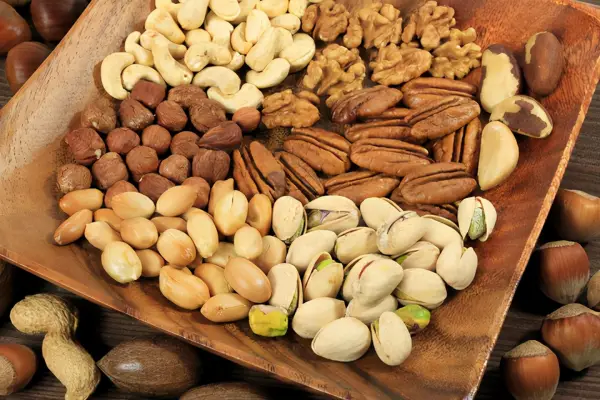
Seeds and nuts are:
- High in fat
- Highly palatable
- Nutritionally incomplete
While useful for training and enrichment, they should never form the main diet.
Safe Options (Small Quantities)
- Sunflower seeds (very limited)
- Pumpkin seeds
- Almond slivers
- Walnuts
Excess seed consumption is a leading cause of obesity and fatty liver disease in conures.
7. Foods to Avoid Completely
From a veterinary safety perspective, the following foods are toxic or dangerous:
- Avocado
- Chocolate
- Caffeine
- Alcohol
- Onion and garlic
- Fruit pits and apple seeds
- Salty, sugary, or processed human foods
Even small amounts can cause serious illness or death.
8. Water and Feeding Schedule
- Provide fresh, clean water daily
- Change water at least once per day (twice in warm weather)
- Offer food in the morning when appetite is highest
- Remove fresh foods after 3–4 hours to prevent spoilage
9. Supplements: Are They Necessary?
For birds eating a balanced pellet-based diet, supplements are usually unnecessary and may be harmful if overused.
Supplements should only be given:
- Under veterinary guidance
- During illness, breeding, or recovery
10. Common Diet-Related Health Problems (Clinical Insight)
Improper diets commonly lead to:
- Vitamin A deficiency
- Beak and feather abnormalities
- Chronic egg laying (females)
- Behavioral issues
- Shortened lifespan
A proper diet is one of the most effective preventive veterinary tools.
11. Veterinary Conclusion
The best diet for a green-cheeked conure is:
- Pellet-based
- Rich in fresh vegetables
- Low in seeds and sugar
- Varied and thoughtfully prepared
When nutrition is correct, green-cheeked conures can live 20–30 years or longer with excellent quality of life.
Authoritative References
- IUCN Red List – Pyrrhura molinae:
https://www.iucnredlist.org/species/22685820/130103512 - Association of Avian Veterinarians (AAV):
https://www.aav.org - Harrison’s Bird Foods – Avian Nutrition Research:
https://www.harrisonsbirdfoods.com
Medical Disclaimer
This article is for educational purposes only and does not replace professional veterinary care. Always consult an avian veterinarian before making significant dietary changes.
Article title: What Is the Best Diet for a Green-Cheeked Conure?
Article link: https://www.parrot234.com/what-is-the-best-diet-for-a-green-cheeked-conure/
Disclaimer: The content of this site is contributed by users, compiled from the Internet, or edited by AI, so no guarantee can be made for the authenticity of the content! Please judge the authenticity of the content by yourself! However, if you find any suspected: plagiarism, infringement, illegal and irregular, suspected fraud, false and bad content, please contact this site in time through the "Contact & Suggestion" channel at the bottom. This site always maintains an active and cooperative attitude to deal with various problems, so after receiving the email, the corresponding content will be deleted!
