
The Senegal Parrot (Poicephalus senegalus) is a highly intelligent, compact African parrot known for its strong bonding tendencies and playful personality. In avian veterinary practice, Senegal parrots are frequently presented for behavioral concerns, particularly aggression, sudden mood changes, and feather-destructive behaviors.
This article provides a clinical, evidence-based overview of common Senegal Parrot behavioral problems, their root causes, and veterinary-approved management strategies.
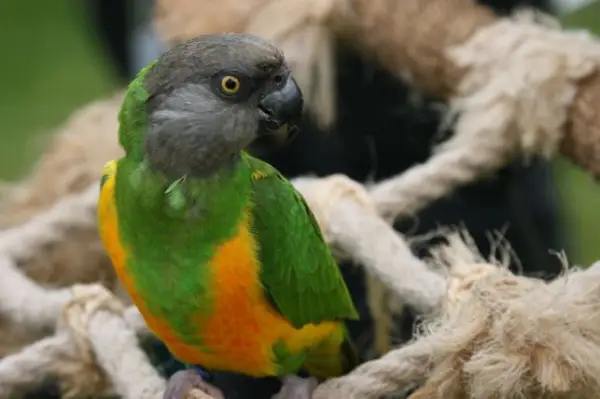

1. Understanding Normal Senegal Parrot Behavior
Before identifying behavioral problems, it is critical to understand species-specific traits.
Typical Senegal Parrot characteristics:
- High intelligence with problem-solving ability
- Strong preference for one primary caregiver
- Independent but deeply bonded nature
- Moderate vocalization compared to larger parrots
From a veterinary standpoint, many behavioral issues arise when natural instincts are unintentionally triggered or misunderstood.
2. Common Senegal Parrot Behavioral Problems
2.1 Sudden Aggression and Biting
Sudden biting is the most common behavioral complaint involving Senegal parrots.
Primary causes include:
- Over-bonding to one person
- Territorial behavior, especially around cages
- Fear-based responses
- Hormonal influence during breeding seasons
Clinical observation:
Senegal parrots often give subtle warning signals that owners may miss.
Management strategies:
- Learn early warning signs (eye pinning, posture changes)
- Use positive reinforcement training
- Avoid forcing interaction
2.2 One-Person Bonding and Social Aggression
Senegal parrots tend to form intense bonds with a single individual, which can result in aggression toward others.
Contributing factors:
- Limited social exposure
- Reinforced exclusivity
- Human-imprinted behavior
Veterinary guidance:
- Encourage interaction with multiple household members
- Avoid exclusive handling routines
- Implement structured training sessions
2.3 Hormonal Behavior
Hormonal surges significantly influence Senegal parrot behavior.
Common signs include:
- Increased territoriality
- Mood swings
- Nest-seeking behavior
- Aggression toward favored humans
Veterinary recommendations:
- Limit daylight exposure to 10–12 hours
- Remove nesting stimuli
- Modify diet to reduce excessive fats
2.4 Feather Plucking and Self-Mutilation
Although less common than in larger parrots, feather-destructive behavior in Senegal parrots should be treated as a medical emergency until proven otherwise.
Potential causes:
- Chronic stress or anxiety
- Nutritional imbalance
- Skin disorders or systemic illness
Veterinary protocol:
- Full physical examination
- Bloodwork if indicated
- Environmental enrichment and diet correction
2.5 Fearfulness and Phobic Responses
Senegal parrots may develop fear-based behaviors related to:
- Sudden environmental changes
- Past traumatic experiences
- Improper handling
Signs include:
- Flinching or lunging
- Escape attempts
- Vocal distress
Clinical advice:
- Use gradual desensitization
- Avoid punishment
- Reinforce calm behaviors
3. Environmental Causes of Behavioral Problems
3.1 Lack of Mental Stimulation
Senegal parrots require daily cognitive challenges.
Minimum enrichment standards:
- Foraging toys
- Puzzle feeders
- Training sessions
Mental deprivation is a leading cause of aggression and anxiety.
3.2 Inconsistent Routine
Irregular schedules increase stress hormones and behavioral instability.
Veterinary recommendation:
Maintain consistent feeding, sleep, and interaction times.
3.3 Inadequate Sleep
Sleep deprivation may lead to:
- Irritability
- Aggression
- Hormonal dysregulation
Provide 10–12 hours of uninterrupted darkness nightly.
4. Medical Conditions That Mimic Behavioral Problems
Behavioral changes may signal underlying illness.
Common medical contributors:
- Gastrointestinal disorders
- Reproductive disease
- Vitamin A deficiency
- Chronic pain
Veterinary rule:
Any sudden behavioral shift warrants a comprehensive avian exam.
5. Evidence-Based Behavior Management Strategies
5.1 Positive Reinforcement Training
Reward desired behavior rather than punishing unwanted actions.
5.2 Structured Socialization
Expose the bird to multiple people in controlled, positive settings.
5.3 Environmental Modification
Adjust cage placement, lighting, and enrichment to reduce stress.
6. When to Consult an Avian Veterinarian
Seek professional care if:
- Aggression escalates rapidly
- Feather damage is observed
- Appetite or droppings change
- Behavior shifts abruptly
Early veterinary intervention improves long-term outcomes.
7. Veterinary Conclusion
Based on clinical experience:
- Senegal Parrot behavioral problems are highly manageable
- Most issues stem from environmental, hormonal, or social factors
- Proper education and early intervention are key to success
When their physical and psychological needs are met, Senegal parrots are affectionate, intelligent, and stable companions.
Medical Disclaimer
This article is for educational purposes only and does not replace professional veterinary advice. Always consult a qualified avian veterinarian for diagnosis and treatment.
Article title: Senegal Parrot Behavioral Problems
Article link: https://www.parrot234.com/senegal-parrot-behavioral-problems/
Disclaimer: The content of this site is contributed by users, compiled from the Internet, or edited by AI, so no guarantee can be made for the authenticity of the content! Please judge the authenticity of the content by yourself! However, if you find any suspected: plagiarism, infringement, illegal and irregular, suspected fraud, false and bad content, please contact this site in time through the "Contact & Suggestion" channel at the bottom. This site always maintains an active and cooperative attitude to deal with various problems, so after receiving the email, the corresponding content will be deleted!
