
Monk Parakeets (Myiopsitta monachus), also known as Quaker Parrots, are intelligent, social, and highly adaptable birds. In clinical avian practice, they are frequently presented for behavioral problems, not because they are “difficult pets,” but because their advanced cognitive and social needs are often underestimated.
This article explains common Monk Parakeet behavioral problems, their underlying causes, and veterinary-approved management strategies based on clinical experience and behavioral science.
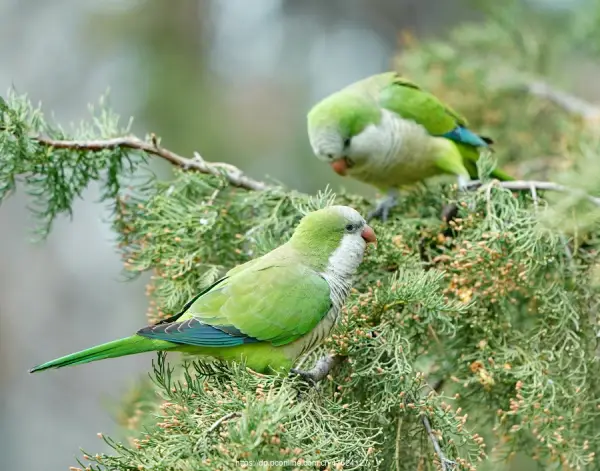

1. Understanding Normal Monk Parakeet Behavior
Before labeling a behavior as problematic, it is essential to understand what is normal for this species.
Typical Monk Parakeet traits include:
- High intelligence and problem-solving ability
- Strong flock bonding and attachment to caregivers
- Territorial instincts (especially around cages)
- Frequent vocalization
From a veterinary perspective, many so-called “behavior problems” arise when these natural instincts are suppressed, misunderstood, or unintentionally reinforced.
2. Most Common Monk Parakeet Behavioral Problems
2.1 Excessive Screaming and Loud Vocalization
Monk Parakeets are naturally vocal, but persistent screaming often signals distress.
Common causes:
- Loneliness or lack of social interaction
- Boredom and insufficient mental stimulation
- Attention-seeking behavior reinforced by humans
- Environmental stress (noise, sudden routine changes)
Veterinary guidance:
- Increase daily interaction and structured play
- Introduce foraging and puzzle toys
- Avoid responding immediately to screaming
2.2 Biting and Aggressive Behavior
Biting is one of the most frequent behavioral complaints seen in avian clinics.
Underlying causes include:
- Fear or lack of trust
- Territorial aggression (especially cage-related)
- Hormonal influences
- Pain or underlying medical conditions
Clinical insight:
Most bites are defensive, not malicious. Ignoring warning signals often escalates behavior.
Management strategies:
- Learn pre-bite body language (eye pinning, beak posturing)
- Use positive reinforcement training
- Avoid punishment, which increases fear and aggression
2.3 Territorial Behavior
Monk Parakeets are unique among parrots for their strong nesting instincts, even in captivity.
Common signs:
- Lunging near the cage
- Guarding food bowls or toys
- Aggression during cage cleaning
Veterinary recommendations:
- Rearrange cage layout periodically
- Reduce access to nest-like spaces
- Practice step-up training outside the cage
2.4 Feather Plucking and Self-Directed Behaviors
Feather destructive behavior is a serious concern requiring veterinary attention.
Potential causes:
- Chronic stress or anxiety
- Nutritional deficiencies
- Hormonal imbalance
- Skin irritation or systemic illness
Veterinary protocol:
- Full physical examination
- Bloodwork if indicated
- Dietary correction and environmental enrichment
Early intervention significantly improves outcomes.
2.5 Hormonal and Sexual Behaviors
Hormonal behaviors are common, especially during breeding seasons.
Signs include:
- Increased aggression
- Nest-building behavior
- Excessive vocalization
- Protective behavior toward objects or people
Veterinary management:
- Limit daylight exposure to 10–12 hours
- Remove nesting materials
- Avoid high-fat or overly rich diets
2.6 Separation Anxiety and Over-Bonding
Monk Parakeets form intense bonds and may struggle with independence.
Symptoms include:
- Constant calling when alone
- Stress behaviors
- Destructive chewing
Professional advice:
- Encourage independent play
- Rotate toys regularly
- Gradually increase alone time

3. Medical Conditions That Can Cause Behavioral Changes
Behavioral changes are often the first sign of illness.
Conditions commonly associated with behavior changes:
- Gastrointestinal disease
- Reproductive disorders
- Vitamin deficiencies
- Chronic pain
Veterinary rule:
Any sudden or unexplained behavior change should prompt an avian veterinary exam.
4. Environmental Factors That Influence Behavior
4.1 Lack of Mental Enrichment
Monk Parakeets require daily mental stimulation.
Veterinary minimum standards:
- Foraging opportunities
- Training sessions
- Puzzle toys and destructible materials
Mental boredom is a leading cause of behavioral deterioration.
4.2 Inadequate Sleep
Sleep deprivation can result in:
- Aggression
- Excessive vocalization
- Hormonal imbalance
Veterinary recommendation:
Provide 10–12 hours of uninterrupted darkness nightly.
4.3 Improper Diet
Poor nutrition directly affects behavior.
Optimal diet includes:
- High-quality pelleted food
- Fresh vegetables and leafy greens
- Limited seeds and sugary foods
5. Evidence-Based Behavior Management Strategies
5.1 Positive Reinforcement Training
Reward calm, cooperative behavior rather than punishing undesirable actions.
5.2 Consistent Routine
Predictable schedules reduce anxiety and behavioral instability.
5.3 Veterinary-Guided Intervention
Behavioral medication may be considered only in severe cases and under veterinary supervision.
6. When to Seek Professional Help
Immediate veterinary consultation is recommended if:
- Aggression escalates suddenly
- Feather loss appears
- Appetite or droppings change
- Behavior shifts abruptly
7. Veterinary Conclusion
From an avian veterinarian’s clinical experience:
- Monk Parakeet behavioral problems are communication signals, not disobedience
- Most issues are preventable with proper care, enrichment, and routine
- Early veterinary involvement leads to significantly better outcomes
With informed, consistent care, Monk Parakeets are capable of being affectionate, stable, and highly rewarding companions.
Medical Disclaimer
This article is for educational purposes only and does not replace professional veterinary diagnosis or treatment. Always consult a qualified avian veterinarian regarding behavioral or medical concerns.
Article title: Monk Parakeet Behavioral Problems
Article link: https://www.parrot234.com/monk-parakeet-behavioral-problems/
Disclaimer: The content of this site is contributed by users, compiled from the Internet, or edited by AI, so no guarantee can be made for the authenticity of the content! Please judge the authenticity of the content by yourself! However, if you find any suspected: plagiarism, infringement, illegal and irregular, suspected fraud, false and bad content, please contact this site in time through the "Contact & Suggestion" channel at the bottom. This site always maintains an active and cooperative attitude to deal with various problems, so after receiving the email, the corresponding content will be deleted!
