
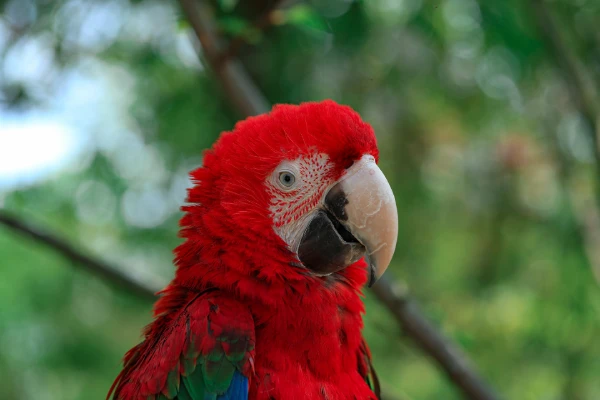
Macaws are among the most iconic and captivating parrots in the world. Their beauty, intelligence, and strong social bonds make them highly desirable companions. However, keeping a macaw is not comparable to owning a typical household pet. As an avian veterinarian, I regularly meet owners who underestimate the level of commitment required.
This article provides a comprehensive, evidence-based overview to help you understand the true difficulty of keeping a macaw and determine whether this species is suitable for your household.

1. Understanding Macaw Care Requirements
1.1 Size and Space Demands
Macaws are one of the largest parrot species. Depending on the species, they require:
- A cage at least 1.5–2 meters wide for full wing extension
- Daily free-flight or out-of-cage exercise
- A dedicated bird-safe room or aviary for optimal welfare
Many behavioral issues arise simply because macaws are confined in inadequate spaces.
1.2 Noise and Vocalization
Macaws vocalize loudly as part of their natural communication. Even healthy, well-adjusted macaws will:
- Produce high-pitched calls at dawn and dusk
- Scream for attention or environmental stimulation
- Display flock-calling behaviors
Their noise levels can exceed 100 dB, making them unsuitable for apartments or noise-sensitive environments.
1.3 Dietary Complexity
A macaw’s diet must integrate:
- Species-specific formulated pellets
- Fresh vegetables and leafy greens
- Seasonal fruits in moderation
- Soaked legumes and sprouted seeds
- Limited nuts for high-energy species (e.g., Blue-and-gold, Green-winged)
A poorly balanced diet is the leading cause of veterinary visits.
2. Behavioral and Psychological Demands
2.1 High Intelligence and Social Needs
Macaws are cognitively comparable to a human toddler. They require:
- Daily structured interaction
- Enrichment that includes foraging toys, puzzles, and chewing materials
- Training sessions using positive reinforcement
Without these, macaws develop self-destructive behaviors, including feather plucking, screaming, and aggression.
2.2 Strong Bonding Tendencies
Macaws form deep pair-bonds. This can lead to:
- Over-attachment to one person
- Territorial behavior around favored individuals
- Stress if left alone for long hours
This species is not ideal for households where the bird would be alone for long periods.
2.3 Destructive Chewing
Their beaks are powerful and instinctively used for:
- Stripping bark
- Breaking nuts
- Shredding wood
In the home, this can translate to damaged furniture, door frames, and other structures.
3. Financial Considerations
Keeping a macaw involves long-term financial responsibilities:
3.1 Initial Costs
- Purchase price: $2,000–$10,000+ depending on species
- Cage and aviary setup: $1,000–$3,000
- Toys and enrichment: $50–$150 monthly
3.2 Veterinary Care
Macaws require specialized avian veterinary services, including:
- Annual wellness exams
- Blood testing
- Nutritional counseling
- Emergency care
These costs are significantly higher than those for typical pets due to species-specific expertise.
4. Lifespan and Long-Term Commitment
Macaws can live 40–60 years as pets, and some individuals reach beyond 70 with proper care. This means:
- They may outlive their owners
- Long-term planning and guardianship arrangements are essential
- Owners must commit to decades of daily care
Many macaws end up in rescues because people underestimate this responsibility.
5. Housing, Safety, and Environmental Hazards
The household must be thoroughly bird-proofed:
- No Teflon or non-stick cookware
- Strict avoidance of aerosols and scented products
- Secure electrical cords, fans, and windows
- Safe perches (no treated wood)
Environmental hazards can be fatal to macaws due to their highly sensitive respiratory systems.
6. So, Is It Hard to Keep a Macaw?
Yes. Keeping a macaw is challenging and requires significant time, space, financial resources, and emotional commitment.
For dedicated, informed owners, macaws can be extraordinary companions—intelligent, affectionate, and deeply bonded. But they are not suitable for beginners or households unable to meet their demanding care requirements.
7. Who Should Consider Owning a Macaw?
A macaw may be appropriate if you:
- Have experience with large parrots
- Work from home or have flexible time
- Can tolerate high noise levels
- Have ample living space
- Are financially stable
- Are willing to provide lifelong care
- Understand avian behavior and training
If these conditions are not met, consider a smaller parrot species better suited for typical home environments.
Final Verdict
Macaws are magnificent birds, but they are not easy pets. Their care demands reflect their intelligence and wild heritage. Prospective owners should thoroughly assess their lifestyle, resources, and long-term capacity before making such a significant commitment.
Article title: Is It Hard to Keep a Macaw? Veterinary Guide
Article link: https://www.parrot234.com/is-it-hard-to-keep-a-macaw-veterinary-guide/
Disclaimer: The content of this site is contributed by users, compiled from the Internet, or edited by AI, so no guarantee can be made for the authenticity of the content! Please judge the authenticity of the content by yourself! However, if you find any suspected: plagiarism, infringement, illegal and irregular, suspected fraud, false and bad content, please contact this site in time through the "Contact & Suggestion" channel at the bottom. This site always maintains an active and cooperative attitude to deal with various problems, so after receiving the email, the corresponding content will be deleted!
