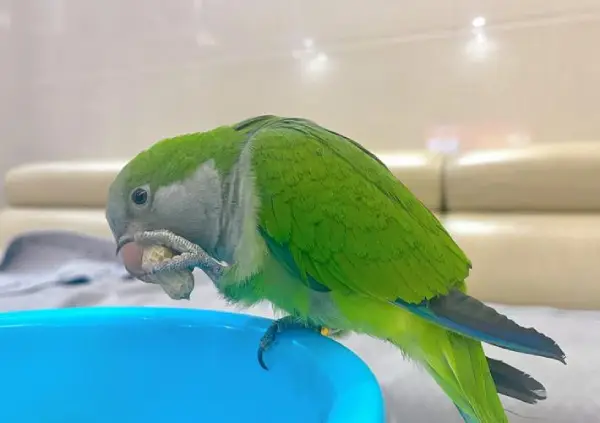
Quaker parrots (Myiopsitta monachus), also known as monk parakeets, are intelligent, social, and expressive birds. However, they are sometimes described as “aggressive,” especially toward unfamiliar people or changes in their environment. From a veterinary behavioral standpoint, aggression in Quaker parrots is not a fixed personality trait, but rather a predictable response to specific triggers.
This article explains whether Quaker parrots are truly aggressive, why aggression occurs, and how it can be safely managed.
1. Understanding Aggression in Parrots
1.1 What “Aggression” Means in Avian Behavior
In veterinary behavior medicine, aggression refers to:
- Lunging or biting
- Threat postures (fluffed feathers, pinned eyes)
- Territorial chasing or vocal warnings
In parrots, aggression is defensive or communicative, not malicious.
2. Are Quaker Parrots Naturally Aggressive?
Short Answer: No
Quaker parrots are not inherently aggressive. In fact, they are typically:
- Highly social
- Curious and interactive
- Strongly bonded to their flock (human or avian)
However, they are territorial and emotionally intense, which can be misinterpreted as aggression.
3. Common Causes of Aggression in Quaker Parrots
3.1 Territorial Behavior
Quaker parrots are unique nest builders. This instinct leads to:
- Cage guarding
- Biting when hands enter their space
- Aggression toward perceived intruders
This is the most common cause of Quaker aggression seen in clinical practice.
3.2 Hormonal Changes
Seasonal hormonal surges can cause:
- Increased irritability
- Possessiveness
- Biting or lunging
This is especially common during spring.
3.3 Fear-Based Aggression
Fear is a primary driver of aggression.
Triggers include:
- Sudden movements
- Loud noises
- Inconsistent handling
- Past trauma or poor socialization
Fear aggression is a self-protective response.
3.4 Lack of Mental Stimulation
Highly intelligent parrots require enrichment.
Without it, Quakers may develop:
- Frustration
- Redirected aggression
- Excessive screaming
Boredom often precedes behavioral problems.
4. Signs of an Aggressive or Overstimulated Quaker Parrot
Recognizing early warning signs prevents bites:
- Eye pinning
- Raised head feathers
- Stiff posture
- Open beak without vocalization
- Sudden silence before lunging
Ignoring these signals increases bite risk.
5. Are Quaker Parrots More Aggressive Than Other Parrots?
Compared to other species:
- More territorial than cockatiels
- Less aggressive than large macaws
- Similar aggression levels to Amazon parrots
Quakers are assertive, not violent.
6. How to Reduce Aggression in Quaker Parrots
6.1 Veterinary-Recommended Strategies
- Avoid reaching into the cage unnecessarily
- Use step-up training with perches
- Maintain consistent daily routines
- Limit hormonal triggers (nesting materials, dark spaces)
6.2 Positive Reinforcement Training
Reward calm behavior with:
- Verbal praise
- Healthy treats
- Target training
Punishment increases fear and aggression.
6.3 Environmental Management
- Provide multiple toys and rotate weekly
- Ensure daily out-of-cage time
- Avoid overstimulation (excessive petting)
7. When to Seek Professional Help
Consult an avian veterinarian or certified behaviorist if:
- Aggression escalates suddenly
- Bites become severe
- Behavior changes accompany illness
Medical issues can mimic behavioral aggression.
8. Final Veterinary Conclusion
Quaker parrots are not aggressive by nature, but they are emotionally complex, territorial, and highly intelligent. When their needs are unmet or misunderstood, aggression can occur.
With proper handling, enrichment, and routine veterinary guidance, Quaker parrots are:
- Affectionate
- Loyal
- Highly engaging companions
Understanding their behavior is the key to preventing aggression.
Professional Disclaimer
This article reflects avian veterinary behavioral knowledge and does not replace individualized diagnosis. Always consult an avian veterinarian for persistent or severe behavioral issues.
Article title: Is a Quaker Parrot Aggressive? Veterinary Behavioral Assessment
Article link: https://www.parrot234.com/is-a-quaker-parrot-aggressive-veterinary-behavioral-assessment/
Disclaimer: The content of this site is contributed by users, compiled from the Internet, or edited by AI, so no guarantee can be made for the authenticity of the content! Please judge the authenticity of the content by yourself! However, if you find any suspected: plagiarism, infringement, illegal and irregular, suspected fraud, false and bad content, please contact this site in time through the "Contact & Suggestion" channel at the bottom. This site always maintains an active and cooperative attitude to deal with various problems, so after receiving the email, the corresponding content will be deleted!