
Parrots are among the most intelligent birds on earth, with many capable of mimicking human speech and understanding context if trained correctly. Teaching your parrot to talk can strengthen your bond, stimulate their mind, and reduce behavioral problems linked to boredom.
This guide explains how to train your parrot to talk using evidence-based methods, practical experience, and behavior science principles.
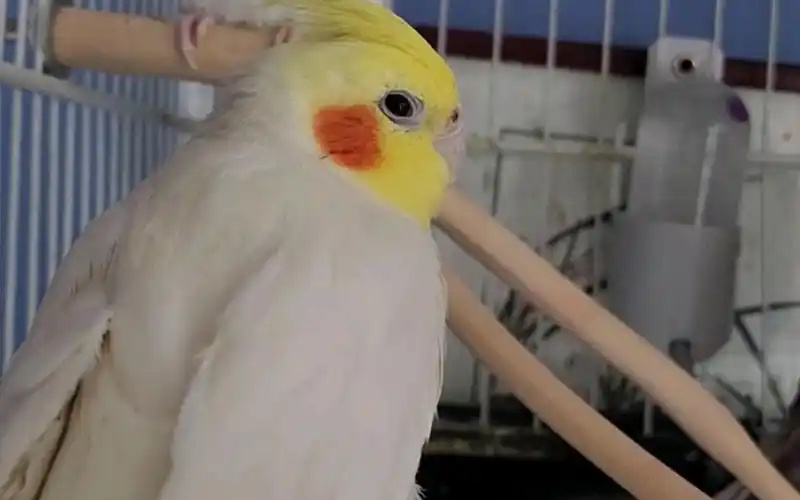

Why Do Parrots Talk?
Parrots are social, vocal learners in the wild, using sounds to communicate with their flock and to alert others of food or danger (Pepperberg, 2023). In captivity, they may mimic human words as part of their flock communication.
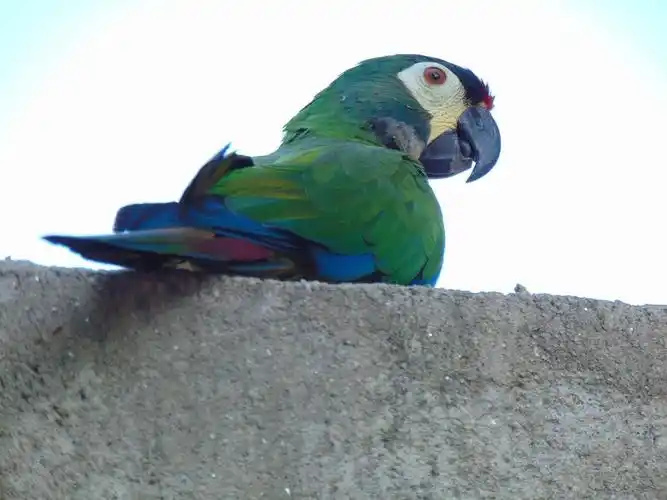
Some parrots, like African Greys, Amazons, and Budgerigars, are especially gifted at speech. Others, like some macaws, may mimic but with less clarity.
Behavior Indicators for Speech Readiness
Before starting, check if your parrot shows these behavior traits:
Curiosity about sounds: Your parrot watches your mouth or repeats noises like phone rings.
Strong social bonding: Parrots that trust you and desire attention are more motivated to mimic.
Regular vocalization: A bird that chirps or babbles frequently is practicing sounds and is ready to learn.
If your parrot does not yet show these, build trust and social interaction before focusing on speech training.
Step-by-Step Guide: How to Train Your Parrot to Talk
1. Create a Distraction-Free Training Environment
- Train in a quiet room without TV, radios, or outside noise.
- Ensure your parrot is comfortable on your hand or perch.
2. Choose Simple Words First
Start with short, clear words such as:
- “Hello”
- Your parrot’s name
- “Good bird”
Words said with emotion and in context (e.g., “hello” when entering the room) are easier for parrots to learn.
3. Use Repetition and Consistency
- Repeat words clearly and slowly.
- Use the same tone and inflection each time.
- Keep sessions 5–10 minutes, 2–3 times daily to avoid fatigue.
4. Use Positive Reinforcement
- Reward attempts with favorite treats (small sunflower seeds, millet).
- Praise enthusiastically even if the sound is imperfect.
- Avoid punishment; this will damage trust and discourage vocalization.
5. Pair Words with Actions
Say “Step up” when your parrot steps onto your hand, or “Good night” when covering the cage. Context helps parrots understand and use words appropriately.
6. Be Patient
Speech may take weeks to months depending on species, age, and individual personality. Celebrate small progress, like clear syllables or new sounds.
Tips for Better Results
Model Speech Regularly: Talk to your parrot daily using clear phrases.
Use Audio Aids Carefully: Playing recordings can help but should not replace live interaction.
Observe Body Language: Stop if your parrot shows stress (fluffing, retreating, biting).
What If My Parrot Doesn’t Talk?
Not all parrots will learn to talk, even within highly vocal species. Some prefer to whistle or mimic household sounds instead. It is important to value your parrot for who they are, focusing on their well-being rather than speech ability alone.
Owner Self-Check Table: Is Your Parrot Ready to Learn?
| Check | Notes |
|---|---|
| My parrot trusts me and accepts treats from my hand | |
| My parrot vocalizes regularly during the day | |
| I can train consistently 5–10 min twice a day | |
| I have chosen 1–3 simple words to start with | |
| I understand my parrot may take weeks to learn |
Reference
- Pepperberg, I. M. (2023). Cognitive and communicative abilities of parrots: Recent advances. Animal Cognition Journal.
- IUCN Red List: Psittaciformes Species Data.
Expert Video Reference
Watch Dr. Irene Pepperberg explaining parrot speech learning (YouTube, 2023)
Kind tips
Training your parrot to talk is not just about entertainment; it enhances your parrot’s mental stimulation and strengthens your bond. Approach it with patience, compassion, and consistency to ensure your parrot remains happy, healthy, and engaged.
Article title: How to Train Your Parrot to Talk: A Complete, Trustworthy Guide
Article link: https://www.parrot234.com/how-to-train-your-parrot-to-talk-a-complete-trustworthy-guide/
Disclaimer: The content of this site is contributed by users, compiled from the Internet, or edited by AI, so no guarantee can be made for the authenticity of the content! Please judge the authenticity of the content by yourself! However, if you find any suspected: plagiarism, infringement, illegal and irregular, suspected fraud, false and bad content, please contact this site in time through the "Contact & Suggestion" channel at the bottom. This site always maintains an active and cooperative attitude to deal with various problems, so after receiving the email, the corresponding content will be deleted!
