
Cockatiels (Nymphicus hollandicus) are among the most popular companion parrots worldwide. Their gentle temperament, intelligence, and strong bond with humans make them excellent pets—but only when their physical, behavioral, and emotional needs are properly met.
As an avian veterinarian, I frequently see preventable health and behavior problems caused by incomplete care knowledge. This guide provides evidence-based, practical advice to help cockatiel owners support a long, healthy, and enriched life.
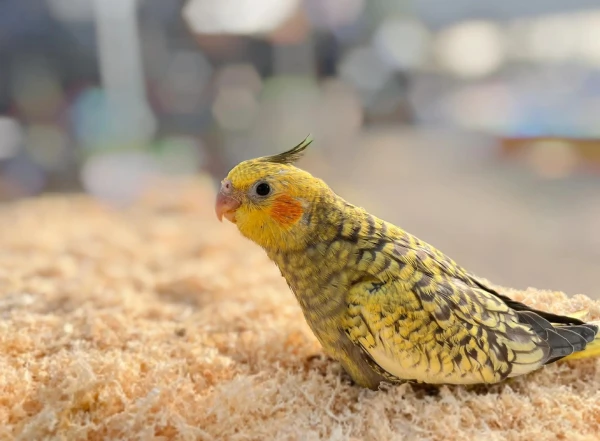

1. Understanding the Cockatiel Species
Cockatiels are native to Australia and are the smallest members of the cockatoo family. In the wild, they live in flocks, forage throughout the day, and rely heavily on social interaction.
According to the IUCN Red List, cockatiels are currently classified as Least Concern, but responsible captive care remains essential for individual welfare.
2. Proper Housing and Cage Setup
Cage Size (Minimum Veterinary Recommendation)
- Single cockatiel: at least 24″ L × 18″ W × 24″ H
- Bar spacing: ½–⅝ inch to prevent injury
Larger cages are always preferable, especially if out-of-cage time is limited.
Cage Essentials
- Multiple natural wood perches (varying diameters)
- Food and water bowls (stainless steel preferred)
- Cuttlebone or mineral block (for calcium)
- Safe toys for chewing and mental stimulation
Avoid sandpaper perches, which can cause foot injuries.
3. Nutrition: The Foundation of Cockatiel Health
From a veterinary standpoint, diet is the single most important factor influencing a cockatiel’s lifespan.
Ideal Diet Breakdown
- 60–70% high-quality pellets
- 20–30% fresh vegetables (leafy greens, carrots, broccoli, bell peppers)
- 5–10% fruits (apple, berries, melon; remove seeds)
- Seeds only as occasional treats
Foods to Avoid
- Avocado
- Chocolate
- Caffeine
- Alcohol
- Onion and garlic
- High-salt or sugary foods
Poor nutrition is a leading cause of fatty liver disease, egg binding, and immune suppression in cockatiels.
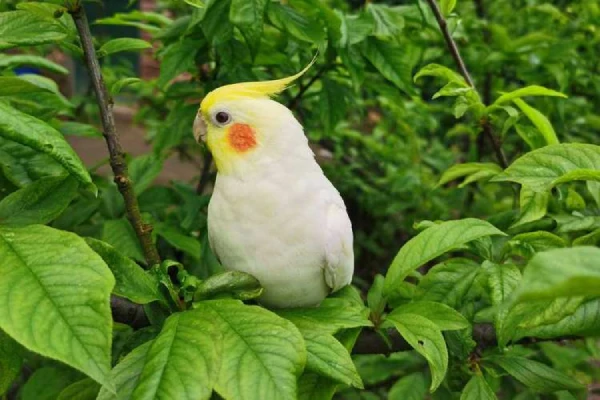
4. Social Interaction and Mental Stimulation
Cockatiels are highly social birds. In my clinical experience, loneliness often leads to:
- Feather plucking
- Excessive screaming
- Depression and lethargy
Daily Interaction Needs
- Several hours of human interaction or companionship
- Supervised out-of-cage time
- Training sessions using positive reinforcement
Mental enrichment is not optional—it is a medical necessity.
5. Grooming and Hygiene
Routine Grooming Includes:
- Nail trims every 4–6 weeks (or as needed)
- Wing trims only if recommended for safety
- Bathing 1–2 times per week (mist spray or shallow dish)
Healthy feathers and skin are indicators of good nutrition and low stress.
6. Veterinary Care and Health Monitoring
Preventive Care
- Annual wellness exams with an avian veterinarian
- Baseline bloodwork when possible
- Parasite screening if exposed to other birds
Signs of Illness (Seek Veterinary Care Immediately)
- Fluffed feathers for extended periods
- Reduced appetite
- Tail bobbing or labored breathing
- Sudden behavior changes
- Discharge from eyes or nostrils
Birds instinctively hide illness—early veterinary intervention saves lives.
🔗 Association of Avian Veterinarians (AAV)
https://www.aav.org
7. Lighting, Sleep, and Environment
Cockatiels require:
- 10–12 hours of uninterrupted sleep
- Consistent day/night cycles
- Exposure to natural light or full-spectrum avian lighting
Poor sleep contributes to hormonal behavior, aggression, and immune dysfunction.
8. Behavioral Health and Training
Cockatiels respond well to:
- Gentle handling
- Clicker or target training
- Calm, predictable routines
Never punish a cockatiel. Punishment increases fear and aggression and damages trust.
9. Lifespan and Long-Term Commitment
With proper care, cockatiels commonly live:
- 15–20 years
- Some exceed 25 years under optimal veterinary care
Owning a cockatiel is a long-term commitment requiring time, financial planning, and emotional investment.
10. Veterinarian’s Final Advice
From a medical and welfare perspective, successful cockatiel care depends on:
- Proper diet
- Social engagement
- Preventive veterinary care
- Environmental enrichment
- Owner education
Cockatiels are not “low-maintenance” pets—they are intelligent, emotional animals that thrive when their needs are respected.
Authoritative References
- IUCN Red List – Nymphicus hollandicus
- Association of Avian Veterinarians
https://www.aav.org - Merck Veterinary Manual – Avian Care
https://www.merckvetmanual.com - Ritchie BW, Harrison GJ, Harrison LR. Avian Medicine: Principles and Application
Veterinary Disclaimer
This content is for educational purposes only and does not replace professional veterinary advice. Always consult a certified avian veterinarian regarding your bird’s health and care.
Article title: How to Take Care of a Cockatiel
Article link: https://www.parrot234.com/how-to-take-care-of-a-cockatiel/
Disclaimer: The content of this site is contributed by users, compiled from the Internet, or edited by AI, so no guarantee can be made for the authenticity of the content! Please judge the authenticity of the content by yourself! However, if you find any suspected: plagiarism, infringement, illegal and irregular, suspected fraud, false and bad content, please contact this site in time through the "Contact & Suggestion" channel at the bottom. This site always maintains an active and cooperative attitude to deal with various problems, so after receiving the email, the corresponding content will be deleted!
