
The Green-Cheeked Conure (Pyrrhura molinae) is one of the most popular companion parrots due to its affectionate nature, manageable size, and high intelligence. However, in avian veterinary practice, many health and behavioral issues seen in this species stem from improper husbandry rather than disease.
This guide provides an evidence-based, experience-driven overview of how to properly care for a Green-Cheeked Conure, ensuring optimal physical health, psychological well-being, and long-term quality of life.
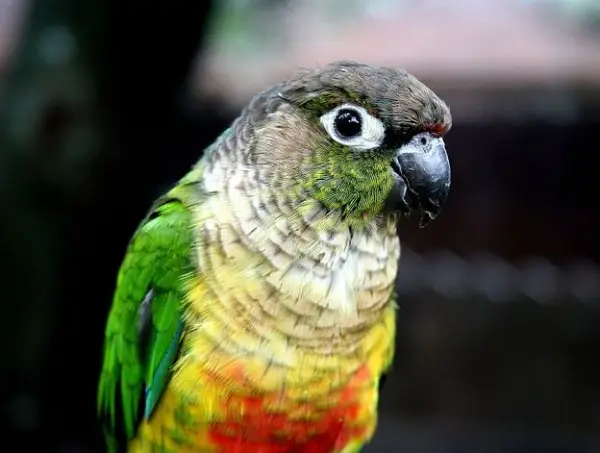

1. Understanding the Green-Cheeked Conure
Green-Cheeked Conures are small South American parrots native to forests and woodlands. Their natural behaviors—social bonding, foraging, vocal communication, and chewing—must be accommodated in captivity.
Key traits:
- Highly social and affectionate
- Intelligent and curious
- Moderately vocal (quieter than many conures)
- Long lifespan for a small parrot (20–30 years with proper care)
2. Proper Housing and Cage Setup
2.1 Cage Size Requirements
From a veterinary perspective, inadequate cage size is one of the most common welfare issues.
Minimum recommended cage size:
- 24” L × 24” W × 30” H (larger is strongly preferred)
Cage bar spacing:
½–¾ inch to prevent injury or escape.
2.2 Cage Placement
- Place the cage at eye level in a socially active area
- Avoid kitchens, drafts, and direct sunlight
- Ensure at least one side of the cage is against a wall to provide security
2.3 Perches and Enrichment
Veterinary recommendations:
- Use natural wood perches of varying diameters
- Avoid sandpaper covers
- Provide rotating toys for chewing, foraging, and problem-solving
Lack of enrichment is a leading cause of behavioral disorders.
3. Nutrition: A Veterinarian-Approved Diet
3.1 Staple Diet
A nutritionally complete diet is essential for preventing metabolic and immune disorders.
Ideal diet composition:
- 60–70% high-quality formulated pellets
- 20–30% fresh vegetables
- 5–10% fruits and healthy treats
3.2 Safe Vegetables and Fruits
Recommended vegetables:
- Leafy greens (kale, collards, dandelion greens)
- Bell peppers
- Carrots
- Broccoli
Fruits (in moderation):
- Apple (no seeds)
- Berries
- Mango
- Papaya
3.3 Foods to Avoid
Never feed:
- Avocado
- Chocolate
- Caffeine
- Alcohol
- Onion or garlic
- High-salt or processed foods
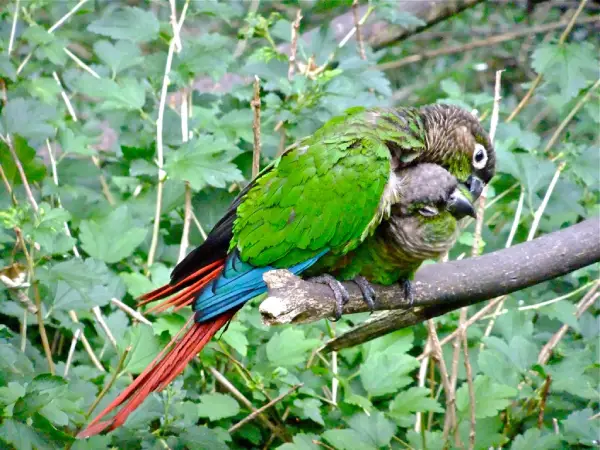
4. Social Interaction and Mental Stimulation
Green-Cheeked Conures require daily interaction to remain emotionally healthy.
Minimum social needs:
- 2–4 hours of supervised out-of-cage time daily
- Daily positive reinforcement training
- Gentle handling and verbal interaction
Social deprivation often results in:
- Biting
- Screaming
- Feather destructive behavior
5. Training and Behavioral Management
5.1 Positive Reinforcement Training
Veterinary behavior science supports reward-based training exclusively.
Effective techniques include:
- Target training
- Step-up training
- Clicker training
Punishment should never be used, as it increases fear and aggression.
5.2 Preventing Biting
Most bites are fear-based or hormonally driven.
Prevention strategies:
- Learn body language cues
- Avoid forcing contact
- Respect hormonal seasons
6. Grooming and Hygiene
6.1 Bathing
Green-Cheeked Conures benefit from regular bathing.
Recommended frequency:
- 2–3 times per week via misting or shallow bowls
6.2 Nail, Beak, and Wing Care
- Nails should be trimmed by a professional when needed
- Beak abnormalities require veterinary evaluation
- Wing clipping is optional and should be performed by an avian veterinarian
7. Sleep and Lighting Requirements
Sleep deprivation contributes to behavioral and immune disorders.
Veterinary standard:
- 10–12 hours of uninterrupted darkness nightly
- Cover the cage if necessary
- Maintain consistent sleep schedules
8. Common Health Issues in Green-Cheeked Conures
Common conditions seen in clinical practice include:
- Vitamin A deficiency
- Respiratory infections
- Feather plucking
- Gastrointestinal disorders
Warning signs requiring veterinary care:
- Fluffed feathers
- Decreased appetite
- Lethargy
- Changes in droppings
9. Preventive Veterinary Care
9.1 Wellness Exams
- Annual exams for healthy adults
- Biannual exams for senior birds
9.2 Disease Screening
Routine exams may include:
- Physical examination
- Fecal analysis
- Bloodwork when indicated
10. Is a Green-Cheeked Conure the Right Pet?
From a veterinary standpoint, Green-Cheeked Conures make excellent companions for owners who:
- Have daily time for interaction
- Can provide long-term commitment
- Understand parrot behavioral needs
They are not suitable for individuals seeking a low-maintenance pet.
Veterinary Conclusion
Proper Green-Cheeked Conure care requires:
- Species-appropriate diet
- Consistent social interaction
- Environmental enrichment
- Preventive veterinary care
When these needs are met, Green-Cheeked Conures are affectionate, healthy, and long-lived companions.
Medical Disclaimer
This article is for educational purposes only and does not replace professional veterinary advice. Always consult a qualified avian veterinarian regarding your bird’s health and care.
Article title: How to Care for a Green-Cheeked Conure
Article link: https://www.parrot234.com/how-to-care-for-a-green-cheeked-conure/
Disclaimer: The content of this site is contributed by users, compiled from the Internet, or edited by AI, so no guarantee can be made for the authenticity of the content! Please judge the authenticity of the content by yourself! However, if you find any suspected: plagiarism, infringement, illegal and irregular, suspected fraud, false and bad content, please contact this site in time through the "Contact & Suggestion" channel at the bottom. This site always maintains an active and cooperative attitude to deal with various problems, so after receiving the email, the corresponding content will be deleted!
