
This guide explains the key factors determining lifespan, including diet, environment, genetics, and preventative veterinary care. We will outline actionable strategies for optimal health, from cage setup to mental enrichment, and address common owner concerns to help you maximize your cockatiel’s longevity and quality of life.
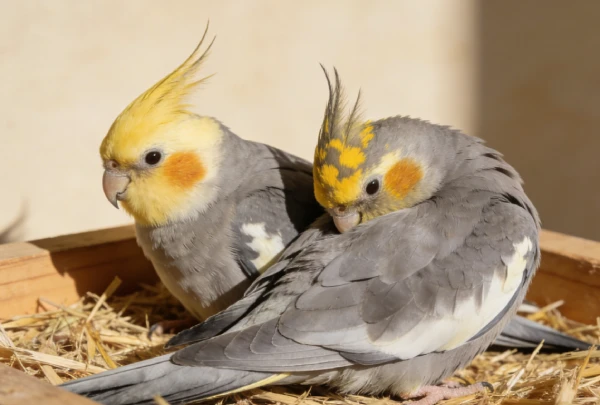

1. Understanding the Cockatiel Lifespan: Core Concepts
The question “how long do cockatiels live?” has a spectrum of answers. While the average lifespan of a cockatiel is a well-established range, individual longevity is highly variable. It’s crucial to distinguish between potential and average lifespan. Potential lifespan refers to the biological maximum, with documented cases of cockatiels living over 25 and even 30 years, though this is exceptional. The more common experience for a well-cared-for pet is the 15-20 year range.
Genetics play a foundational role, as some birds may be predisposed to certain health conditions. However, unlike genetics, the owner has direct control over the most significant lifespan determinants: diet, environment, and preventative healthcare.
2. The Critical Factors That Dictate Lifespan
Maximizing your cockatiel’s years hinges on mastering these core pillars of care:
- Nutrition: The Cornerstone of Health A seed-only diet is a leading cause of premature death, leading to fatty liver disease, obesity, and vitamin deficiencies. A balanced cockatiel diet must consist primarily of high-quality pellets (approx. 60-70%), supplemented with a daily variety of fresh, bird-safe vegetables and fruits (e.g., leafy greens, carrots, bell peppers, berries). Seeds and nuts should be limited to 10-15% of the diet, used as treats or foraging rewards.
- Environment & Safety A spacious cage (minimum 24″L x 18″W x 24″H for a single bird) with appropriate bar spacing (1/2 to 5/8 inch) is essential. The cage must be placed away from drafts, kitchen fumes (Teflon is deadly), and extreme temperature shifts. Mental stimulation is non-negotiable; a bored cockatiel is prone to stress and destructive behaviors like feather plucking. Provide numerous toys (foraging, shredding, puzzle), daily out-of-cage time for flight/exercise, and regular social interaction.
- Preventative Veterinary Care Establishing a relationship with an avian-certified veterinarian is one of the most important steps a responsible owner can take. Annual “well-bird” checkups can catch subtle signs of illness early (birds hide weakness instinctively). Discuss common cockatiel health issues with your vet, such as respiratory infections, Psittacosis, or nutritional disorders. A blood panel can be invaluable for establishing a baseline.
3. Actionable Strategies for a Long, Healthy Life
- Dietary Transition: If your bird is on a seed diet, gradually transition to pellets over several weeks, mixing and offering new foods persistently.
- Environmental Enrichment: Rotate toys weekly to prevent boredom. Create a safe “bird-proofed” room for supervised exploration and flight.
- Hygiene & Grooming: Provide a shallow dish for bathing. Clean food/water dishes daily and the cage bottom weekly. Clip wings/nails only as needed, ideally with guidance from a vet or experienced groomer.
- Social & Mental Bonding: Cockatiels are social flock animals. Spend time talking, training (using positive reinforcement), and simply being present with your bird daily.
4. Common Health Issues & Proactive Monitoring
Be vigilant for signs of illness, which can be subtle: fluffed feathers, changes in droppings, decreased appetite, lethargy, wheezing, or sitting on the cage floor. Common ailments include:
- Nutritional Deficiencies: Hypovitaminosis A (from poor diet) leading to respiratory and skin issues.
- Respiratory Infections: Often signaled by tail bobbing, nasal discharge, or sneezing.
- Egg Binding: A life-threatening condition in hens where an egg gets stuck.
- Feather Destructive Behavior: Often stemming from psychological stress, boredom, or underlying medical problems.
Immediate consultation with an avian vet is crucial upon noticing any abnormality.
FAQ: Your Cockatiel Lifespan Questions Answered
Q: What is the oldest recorded cockatiel?
A: While unverified claims exist, the generally accepted record, as noted by resources like Lafeber Vet, is a cockatiel living to 32 years old. This underscores their potential longevity with supreme care.
Q: Do male or female cockatiels live longer?
A: There’s no definitive evidence that sex alone determines lifespan. However, females face specific risks like chronic egg-laying and egg-binding, which can be life-threatening if not managed. Therefore, a hen’s longevity is heavily dependent on proactive reproductive health management.
Q: How can I tell my cockatiel’s age?
A: Determining exact age is very difficult once a bird reaches adulthood (around 1-2 years old). Juveniles have barred tail feathers and duller cheek patches. In adults, look for signs of aging like scalier feet, cloudier eyes, or a less vibrant beak, but these are not precise indicators. Your best clue is your adoption history.
Q: Does a bigger cage help my cockatiel live longer?
A: Absolutely. Adequate space is critical for physical exercise (flying/climbing) and mental health. A spacious cage reduces stress and obesity risk, directly contributing to a longer, healthier life.
Conclusion
The lifespan of a cockatiel is a significant commitment, often spanning decades. By providing a species-appropriate diet, a safe and stimulating environment, consistent social interaction, and proactive veterinary care, you directly influence your feathered companion’s healthspan and longevity. Understanding the average cockatiel lifespan is the first step; dedicating yourself to comprehensive care is the journey that follows, paving the way for a joyful, long-lived partnership.
Disclaimer: This guide is for informational purposes and is based on established avian care principles. It is not a substitute for professional veterinary advice. Always consult a certified avian veterinarian for diagnosis and treatment plans for your specific bird. For authoritative information on avian health, refer to resources from organizations like the Association of Avian Veterinarians (AAV).
Article title: How Long Do Cockatiels Live? Average Lifespan Explained
Article link: https://www.parrot234.com/how-long-do-cockatiels-live-average-lifespan-explained/
Disclaimer: The content of this site is contributed by users, compiled from the Internet, or edited by AI, so no guarantee can be made for the authenticity of the content! Please judge the authenticity of the content by yourself! However, if you find any suspected: plagiarism, infringement, illegal and irregular, suspected fraud, false and bad content, please contact this site in time through the "Contact & Suggestion" channel at the bottom. This site always maintains an active and cooperative attitude to deal with various problems, so after receiving the email, the corresponding content will be deleted!
