
Macaws are among the longest-living parrots on earth. Their intelligence, emotional depth, and strong bonding behavior make them extraordinary companion birds, but their lifespan also brings a major responsibility for any owner. Understanding how long a macaw can live in captivity—and what factors influence that lifespan—is essential for proper long-term care.
As a parrot expert who has worked with macaw owners, breeders, and avian veterinarians for many years, this article provides an accurate, research-based, and trustworthy overview of macaw lifespan in pet environments.
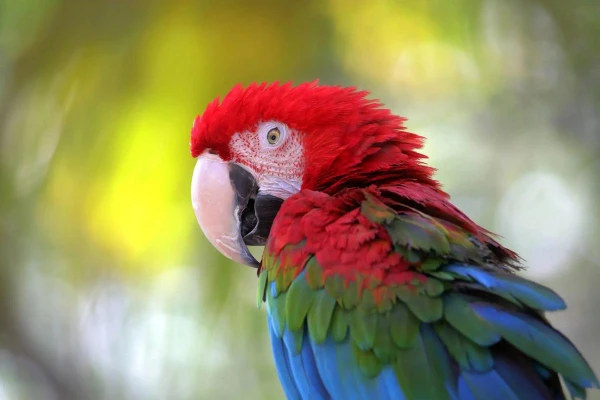

1. Short Answer: How Long Do Pet Macaws Live?
Most macaws live 50–70 years as pets, with some individuals reaching 80–90 years under exceptional care.
Average Pet Lifespan by Species
| Macaw Species | Typical Lifespan (Captivity) |
|---|---|
| Blue-and-Gold Macaw | 50–70 years |
| Green-winged Macaw | 50–80 years |
| Scarlet Macaw | 40–70 years |
| Hybrid Macaws (e.g., Harlequin, Catalina) | 40–60 years |
| Hyacinth Macaw | 50–60+ years |
| Military Macaw | 50–70 years |
| Mini Macaws (Hahn’s, Severe, Yellow-collared) | 30–50 years |
Large macaws typically live longer than mini macaws due to slower metabolism and stronger genetic resilience.
2. Why Do Macaws Live Longer in Captivity?
In the wild, macaw survival is challenged by:
- predators
- habitat loss
- food scarcity
- harsh weather
- poaching
In captivity, these risks are eliminated, and macaws receive:
- consistent nutrition
- veterinary care
- environmental control
- protection from predators
As a result, a macaw’s captive lifespan often exceeds its wild lifespan by 20–40 additional years.
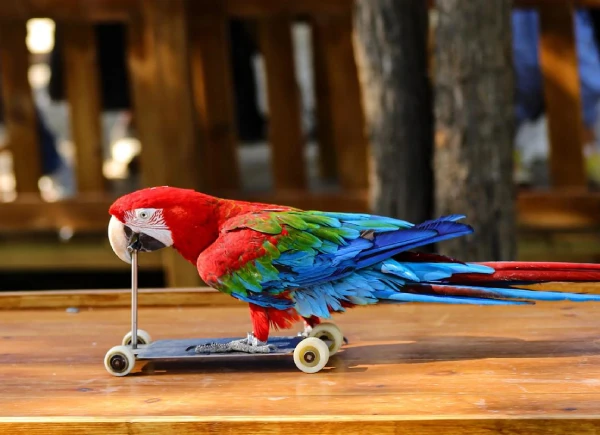
3. Key Factors That Influence a Macaw’s Lifespan
3.1 Nutrition
The most critical factor for macaw longevity.
A healthy macaw diet must include:
- formulated pellets (60–70%)
- fresh vegetables (especially leafy greens)
- limited fruits
- nuts in moderation
- clean water daily
Poor nutrition—especially seed-only diets—leads to fatty liver disease, vitamin deficiencies, obesity, and shortened lifespan.
3.2 Veterinary Care
Macaws require:
- annual wellness exams
- bloodwork screening
- nail and beak assessments
- early diagnosis of infections and organ issues
Preventive avian veterinary support can extend a macaw’s lifespan by 10–20 years.
3.3 Mental and Emotional Well-Being
Macaws are highly intelligent and emotionally complex.
They require:
- daily human interaction
- foraging toys
- training sessions
- flight time or active playtime
Chronic stress, isolation, or boredom can lead to:
- feather plucking
- self-mutilation
- immune suppression
- depression
These conditions significantly reduce lifespan.
3.4 Environment
A macaw’s habitat directly impacts longevity.
Essential environment elements:
- large cage suited to wingspan
- natural perches
- correct humidity and temperature
- clean air (no Teflon fumes, smoke, aerosols)
Environmental toxins are a leading cause of sudden pet macaw death.
3.5 Genetics
Some macaw species inherit stronger disease resistance.
- Hyacinth macaws → slow reproductive cycle but genetically resilient
- Hybrid macaws → variable lifespan, depending on hybridization quality
Breeding quality impacts long-term health.
4. Are Macaws Lifelong Pets?
Yes—owning a macaw is often a lifelong commitment.
Many macaws outlive their owners, which is why responsible macaw ownership includes:
- estate planning
- identifying a future caretaker
- avoiding impulsive purchasing
This is especially important because macaws bond deeply and may struggle emotionally if rehomed repeatedly.
5. Realistic Lifespan Expectations for Macaw Owners
Based on long-term avian clinical records and breeder data:
- A well-cared-for macaw will almost certainly live 40+ years
- Many macaws surpass 50–60 years
- Exceptional cases reach 70–90 years, especially Green-winged and Blue-and-Gold macaws
The keys to reaching the upper range include:
- proper nutrition
- stable environment
- consistent enrichment
- regular veterinary monitoring
6. Final Answer
A macaw can live 50–70 years as a pet, and with exceptional care, some individuals can reach 80–90 years. Their lifespan depends on species, nutrition, veterinary care, mental stimulation, environmental quality, and genetics.
Macaws are long-term companions requiring decades of commitment, but with proper care, they remain vibrant, affectionate, and intelligent partners throughout their lives.
Article title: How Long Can a Macaw Live as a Pet? Pet Lifespan Guide
Article link: https://www.parrot234.com/how-long-can-a-macaw-live-as-a-pet-pet-lifespan-guide/
Disclaimer: The content of this site is contributed by users, compiled from the Internet, or edited by AI, so no guarantee can be made for the authenticity of the content! Please judge the authenticity of the content by yourself! However, if you find any suspected: plagiarism, infringement, illegal and irregular, suspected fraud, false and bad content, please contact this site in time through the "Contact & Suggestion" channel at the bottom. This site always maintains an active and cooperative attitude to deal with various problems, so after receiving the email, the corresponding content will be deleted!
