
Monk parakeets (Myiopsitta monachus), also known as Quaker parrots, are intelligent, social, and long-lived companion birds. While they are often considered “beginner-friendly,” proper care requires informed commitment, daily interaction, and veterinary-guided husbandry.
This guide outlines evidence-based best practices for keeping a monk parakeet healthy, mentally stimulated, and emotionally secure.
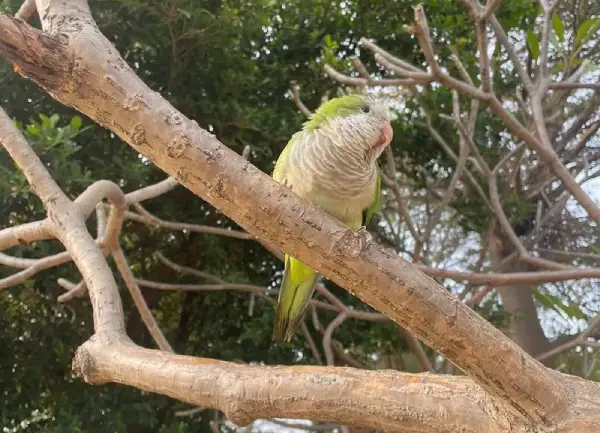

1. Understanding the Monk Parakeet
1.1 Species Overview
- Native to South America
- Average lifespan: 20–30 years in captivity
- Highly vocal, social, and cognitively advanced
Monk parakeets form strong bonds with caregivers and thrive on routine and interaction.
2. Proper Housing and Cage Setup
2.1 Cage Size Requirements
- Minimum size for one bird: 24 × 24 × 24 inches
- Larger cages are strongly recommended
Horizontal bar spacing (½–⅝ inch) supports climbing and exercise.
2.2 Cage Environment
- Multiple natural wood perches (varied diameters)
- Stainless steel food and water bowls
- Several chew-safe toys to prevent boredom
Place the cage in a well-lit, draft-free area with regular household activity.
3. Nutrition: Feeding a Monk Parakeet Correctly
3.1 Balanced Daily Diet
Veterinary-recommended diet composition:
- 60–70% high-quality pellets
- 20–30% fresh vegetables
- 5–10% fruit
- Occasional healthy grains and legumes
Avoid seed-only diets, which cause nutritional deficiencies.
3.2 Foods to Avoid
- Avocado
- Chocolate
- Caffeine
- Alcohol
- Onion and garlic
- Excess salt or sugar
Always provide fresh, clean water daily.
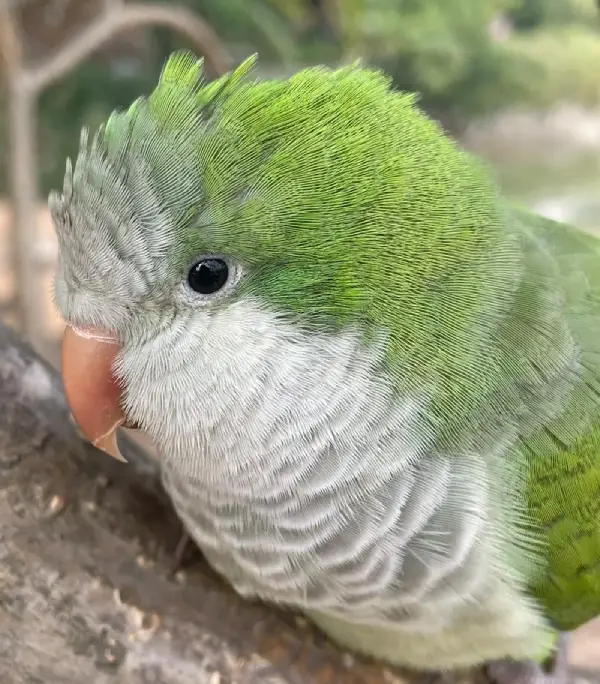
4. Socialization and Mental Stimulation
4.1 Daily Interaction Needs
Monk parakeets require:
- 2–4 hours of daily social interaction
- Talking, training, and supervised out-of-cage time
Lack of stimulation may lead to screaming, feather plucking, or aggression.
4.2 Training and Enrichment
- Positive reinforcement training
- Foraging toys and puzzle feeders
- Rotation of toys weekly
Mental enrichment is as critical as physical care.
5. Grooming and Hygiene
5.1 Bathing
- Offer misting or shallow bathing 2–3 times per week
- Avoid forced bathing
5.2 Beak, Nail, and Feather Care
- Beak trimming is rarely needed with proper diet and chew toys
- Nail trimming may be required periodically
- Avoid wing clipping unless medically necessary
Consult an avian veterinarian for grooming guidance.
6. Health Care and Veterinary Needs
6.1 Routine Veterinary Care
- Annual wellness exams with an avian veterinarian
- Baseline bloodwork for early disease detection
6.2 Common Health Concerns
- Fatty liver disease
- Psittacosis
- Vitamin A deficiency
- Behavioral stress disorders
Early intervention significantly improves outcomes.
7. Understanding Behavior and Communication
7.1 Normal Behaviors
- Talking and mimicking sounds
- Head bobbing and tail wagging
- Nest-building tendencies
7.2 Warning Signs
Seek veterinary care if you notice:
- Fluffed feathers for extended periods
- Loss of appetite
- Changes in droppings
- Lethargy or breathing difficulty
Birds hide illness well; subtle changes matter.
8. Legal and Ethical Considerations
Monk parakeets are restricted or regulated in some regions due to their invasive potential. Always:
- Verify local ownership laws
- Purchase from reputable breeders or rescues
Responsible ownership protects both the bird and the ecosystem.
9. Is a Monk Parakeet the Right Pet for You?
Monk parakeets are best suited for owners who:
- Can commit to daily interaction
- Are comfortable with vocal birds
- Understand long-term responsibility
When properly cared for, they are affectionate, intelligent, and deeply rewarding companions.
Final Veterinary Recommendation
Caring for a monk parakeet requires structured nutrition, mental enrichment, social interaction, and regular veterinary oversight. With proper care, these parrots can live long, healthy lives and form meaningful bonds with their caregivers.
Article title: How Do You Take Care of a Monk Parakeet?
Article link: https://www.parrot234.com/how-do-you-take-care-of-a-monk-parakeet/
Disclaimer: The content of this site is contributed by users, compiled from the Internet, or edited by AI, so no guarantee can be made for the authenticity of the content! Please judge the authenticity of the content by yourself! However, if you find any suspected: plagiarism, infringement, illegal and irregular, suspected fraud, false and bad content, please contact this site in time through the "Contact & Suggestion" channel at the bottom. This site always maintains an active and cooperative attitude to deal with various problems, so after receiving the email, the corresponding content will be deleted!
