
Parrots are intelligent, social companions with long lifespans, but they are also prone to specific health issues that require prompt attention. Understanding common parrot health problems will help you detect early warning signs, seek veterinary care promptly, and prevent many issues through proper care.
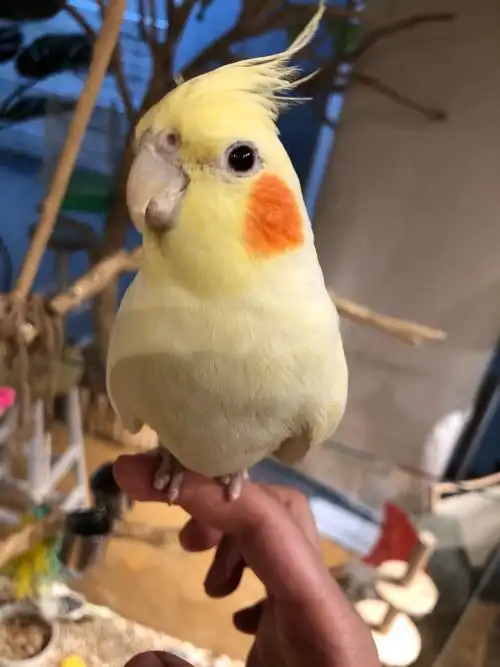

Why It’s Important to Monitor Your Parrot’s Health
Parrots often hide symptoms of illness until advanced stages due to their prey nature. Early detection can:
- Improve treatment outcomes.
- Prevent contagious disease spread if you have multiple birds.
- Save on long-term veterinary costs.
- Prolong your bird’s healthy, happy life.
1.Feather Plucking
What it is:
Parrots may pull out their feathers, chew them, or break them off, leaving bald patches.
Possible causes:
- Boredom or lack of enrichment.
- Stress or anxiety.
- Skin infections (bacterial, fungal).
- Parasites (mites, lice).
- Nutritional deficiencies.
- Underlying organ disease.
What to do:
- Consult an avian veterinarian to rule out medical causes.
- Increase mental stimulation with foraging toys and out-of-cage time.
- Address environmental stressors.
2.Respiratory Infections
Symptoms:
- Sneezing or nasal discharge.
- Tail bobbing while breathing.
- Open-mouth breathing or labored breathing.
- Wheezing or changes in vocalizations.
Causes:
- Bacterial or fungal infections.
- Poor air quality or exposure to fumes.
- Vitamin A deficiency.
What to do:
Seek immediate veterinary care, as respiratory infections can progress rapidly in parrots.
3.Psittacosis (Parrot Fever)
What it is:
A bacterial infection (Chlamydia psittaci) that can spread to humans.
Symptoms in parrots:
- Lethargy and weakness.
- Green or yellow diarrhea.
- Nasal discharge and respiratory distress.
- Weight loss.
What to do:
Seek urgent veterinary care, as treatment with antibiotics is required, and isolation may be needed to prevent human transmission.
4.Nutritional Deficiencies
Common deficiencies:
Vitamin A deficiency: leads to respiratory issues, poor feather quality, and swollen eyes.
Calcium deficiency: common in African Greys, causing seizures and weak bones.
Prevention:
Provide a balanced diet of pellets, fresh vegetables, fruits, and safe seeds.
Avoid an all-seed diet, which is nutritionally incomplete.
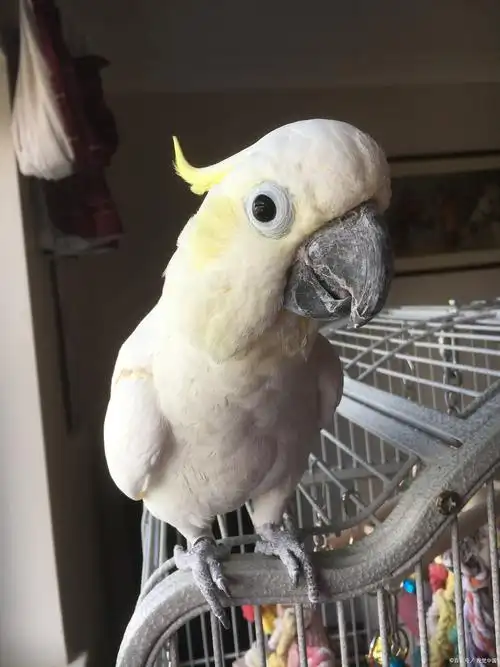
5.Beak and Feather Disease (PBFD)
What it is:
A viral disease affecting young parrots.
Symptoms:
Abnormal feather growth or feather loss.
Beak deformities or overgrowth.
Immunosuppression leading to secondary infections.
What to do:
There is no cure; prevention via quarantine and testing new birds before introducing them to your flock is essential.
6.Obesity
Causes:
- Lack of exercise.
- High-fat diet (excess seeds and nuts).
- Limited out-of-cage time.
Risks:
- Can lead to fatty liver disease, heart problems, and reduced lifespan.
Prevention:
- Encourage exercise with foraging and climbing opportunities.
- Provide a balanced, portion-controlled diet.
7.Egg Binding (in Female Parrots)
What it is:
- The inability to pass an egg, which can be life-threatening.
Symptoms:
- Lethargy and fluffed-up appearance.
- Straining or sitting at the bottom of the cage.
- Swollen abdomen.
What to do:
- Seek emergency veterinary care immediately.
8.Bumblefoot (Pododermatitis)
What it is:
- Inflammation or infection of the foot due to pressure sores.
Causes:
- Inappropriate perching (smooth or uniform diameter perches).
- Obesity.
- Poor cage hygiene.
Prevention:
- Use natural wood perches of varying diameters.
- Maintain cage cleanliness.
- Ensure your parrot maintains a healthy weight.
When to See a Vet Immediately
Seek avian veterinary care if your parrot:
- Stops eating or drinking.
- Has a sudden change in droppings.
- Shows labored breathing or tail bobbing.
- Sits fluffed up for extended periods.
- Has sudden feather loss.
- Shows neurological symptoms (tremors, seizures).
Owner Self-Check Table: Are You Supporting Your Parrot’s Health?
| Check | Notes |
|---|---|
| I provide a balanced diet, avoiding an all-seed diet | |
| My parrot has toys and out-of-cage time daily | |
| I monitor droppings and behavior changes | |
| I schedule annual avian vet check-ups | |
| My parrot has varied perches for foot health |
Warm Tips
Owning a parrot means committing to their health and well-being through observation, preventive care, and immediate attention when issues arise. By educating yourself about common parrot health problems, you can act quickly to protect your bird’s health and ensure a long, happy life together.
Article title: Common Parrot Health Problems: What Every Owner Should Know
Article link: https://www.parrot234.com/common-parrot-health-problems/
Disclaimer: The content of this site is contributed by users, compiled from the Internet, or edited by AI, so no guarantee can be made for the authenticity of the content! Please judge the authenticity of the content by yourself! However, if you find any suspected: plagiarism, infringement, illegal and irregular, suspected fraud, false and bad content, please contact this site in time through the "Contact & Suggestion" channel at the bottom. This site always maintains an active and cooperative attitude to deal with various problems, so after receiving the email, the corresponding content will be deleted!
