
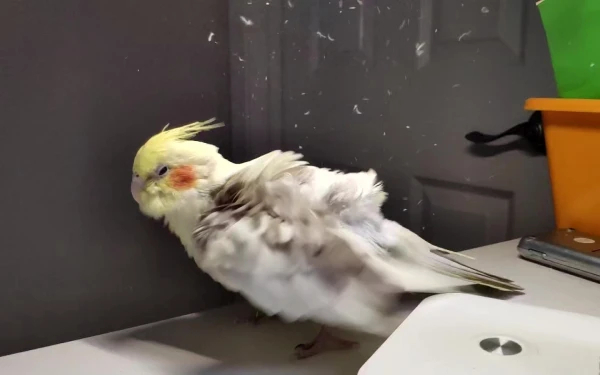

Cockatiel Molting Cycle: What’s Normal and When to Worry
For a cockatiel owner, finding a flurry of feathers at the bottom of the cage can be startling. Is this normal, or is your bird in trouble? Understanding the cockatiel molting cycle is crucial for every pet owner. This comprehensive guide will walk you through the biology of molting, teach you how to support your bird, and, most importantly, equip you to spot the difference between a natural process and a serious health red flag.
What is Molting?
Molting is the systematic, periodic replacement of a bird’s feathers. Feathers are made of keratin, the same protein as human hair and nails, and they become worn, damaged, and less efficient over time. Molting allows birds to replace these old feathers with new, healthy ones, maintaining optimal flight, insulation, and appearance.
- Key Difference from Problematic Feather Loss: It’s vital to distinguish molting from plucking or barbering. Molting is a controlled, symmetrical process where feathers fall out naturally from the follicle. Feather plucking, often driven by stress, illness, or boredom, is a behavioral disorder where the bird actively pulls out or breaks its feathers, leading to asymmetrical bald patches and damaged skin.
- Key Components of a Normal Molt:
- Cyclical Nature: Most adult cockatiels undergo 1-2 major molts per year, often in spring and fall, with lighter, continuous molting in between.
- Predictable Patterns: Molting typically follows a symmetrical pattern (e.g., primary flight feathers drop in pairs) to preserve balance.
- Presence of Pin Feathers: The emergence of new “pin feathers” (blood feathers encased in a keratin sheath) is a clear sign of healthy regrowth.
- Mild Behavioral Changes: Your bird may be slightly more irritable, itchy, or lethargic, and will preen more frequently.
Why Understanding Molt is Critical
Ignoring the signs of an abnormal molt can have severe consequences. According to avian veterinarians, feather disorders are among the top reasons for clinical visits, and underlying issues like malnutrition or infection can be fatal if left untreated.
Negative Consequences of an Unmanaged or Misunderstood Molt:
- Missed Health Diagnoses: Excessive or abnormal feather loss can be the first symptom of liver disease, parasitic infections (like mites), or hormonal imbalances.
- Increased Physical Stress on the Bird: Growing feathers is metabolically demanding. Without proper support, a bird can become nutritionally depleted and immunocompromised.
- Owner Anxiety and Misguided Actions: Mistaking illness for a normal molt can delay critical vet care. Conversely, overreacting to a normal molt can lead to unnecessary stress for both owner and bird.
Supporting a Healthy Molt
Your role is to create an environment that minimizes stress and provides the resources needed for efficient feather regrowth.
Strategy 1: Behavioral & Comfort Support
A molting cockatiel is itchy and sensitive. Your support can greatly ease its discomfort.
- Steps:
- Observe, Don’t Overhandle: Monitor for pin feathers but avoid touching them, as they are sensitive and connected to the blood supply.
- Provide Frequent Bathing Opportunities: Light misting with lukewarm water or offering a shallow bath helps soften the keratin sheaths on pin feathers, relieving itchiness and aiding preening. Offer this 2-3 times weekly.
- Respect Their Mood: Understand that irritability is normal. Give your bird space when it seems grumpy and avoid forcing interaction.
Strategy 2: Nutritional Optimization
Feathers are over 90% protein. Building new ones requires a significant dietary upgrade.
- Steps:
- Boost High-Quality Protein: Temporarily increase offerings of cooked legumes, hard-boiled egg (with shell), and small amounts of lean cooked chicken.
- Enhance Key Vitamins: Ensure the diet is rich in Vitamin A (from sweet potato, carrots) and amino acids like lysine and methionine, which are building blocks for keratin.
- Consider a Supplement: Discuss with your vet about adding a molting supplement or an avian-specific multivitamin to the water or food for the duration of the heavy molt.
Strategy 3: Environmental Adjustments
- Steps:
- Maintain Stable Temperature & Humidity: Drafts and dry air worsen discomfort. Keep the cage away from air vents and consider a room humidifier if your air is very dry.
- Provide Abundant Preening Aids: Offer natural perches of varying textures and a cuttlebone or mineral block. This helps them safely break open the sheaths on new pin feathers.
Table: Normal Molt vs. Cause for Concern
| Aspect | Normal Molt | When to Worry (Potential Problem) |
|---|---|---|
| Feather Loss Pattern | Symmetrical, gradual; no large bald patches. | Asymmetrical, sudden; bald spots, especially on chest/back. |
| Skin Condition | Clean, smooth, no redness or lesions under feathers. | Red, inflamed, scaly, or bloody skin visible. |
| New Feather Growth | Visible pin feathers (white or blue-tipped shafts). | No new growth in areas of loss, or feathers appear chewed/ragged. |
| Bird’s Behavior | Slightly more preening, may be a bit irritable. | Excessive, frantic preening/plucking, lethargy, loss of appetite. |
Recommended Action Workflow
Follow this phased approach for each major molt:
- Preparation (Pre-Molt): Ensure your staple diet (high-quality pellets) is optimal. Stock up on bathing supplies and healthy molt-support foods.
- Implementation (Active Molt): Execute the support strategies above: provide baths, enhance diet, and adjust the environment. Increase your observation frequency.
- Testing & Monitoring (Throughout): Use the comparison table above daily/weekly to check that all signs point to a “Normal Molt.”
- Iteration & Escalation: If any “Cause for Worry” signs appear, immediately iterate your plan by scheduling a visit with an avian veterinarian. Do not wait.
Frequently Asked Questions (FAQ)
Q: My cockatiel is losing so many feathers! Is this normal?
A: Yes, it can be. During a heavy molt, it may seem alarming, but you should still see plenty of feathers on the body and visible pin feathers growing in. If the skin becomes exposed, it’s time to see the vet.
Q: How long does a typical molt last?
A: A major molt can last 4-8 weeks from start to finish. However, light molting (losing a few feathers here and there) is a near-continuous process. Prolonged heavy molting beyond two months warrants a check-up.
Q: Should I give my bird vitamins during a molt?
A: If your bird is already on a superior, balanced diet (primarily pellets with veggies), it may not need extra. However, for birds on seed-based diets or showing signs of stress, a vet-recommended supplement can be beneficial. Always consult your vet first.
Q: Can I help my bird by breaking its pin feathers open?
A: Never break a pin feather yourself. The central shaft (the “pin”) contains a blood supply. If broken incorrectly, it can cause significant pain and bleeding. Your bird is expertly equipped to preen and open them safely when ready.
Conclusion
A smooth cockatiel molting cycle is a hallmark of good health. Don’t just be a passive observer during this time. Proactively enhance your bird’s diet with protein, provide regular baths for comfort, and vigilantly monitor for the warning signs that differentiate routine renewal from distress. By understanding and supporting this natural process, you ensure your cockatiel emerges from every molt more vibrant and healthy than before.
Disclaimer:This guide is for informational purposes and is not a substitute for professional veterinary advice. Always consult with a certified avian veterinarian for diagnosis and treatment of your pet bird’s health. For authoritative information on avian health, refer to resources from organizations like the Association of Avian Veterinarians (AAV).
Article title: Cockatiel Molting Cycle: What’s Normal and When to Worry
Article link: https://www.parrot234.com/cockatiel-molting-cycle/
Disclaimer: The content of this site is contributed by users, compiled from the Internet, or edited by AI, so no guarantee can be made for the authenticity of the content! Please judge the authenticity of the content by yourself! However, if you find any suspected: plagiarism, infringement, illegal and irregular, suspected fraud, false and bad content, please contact this site in time through the "Contact & Suggestion" channel at the bottom. This site always maintains an active and cooperative attitude to deal with various problems, so after receiving the email, the corresponding content will be deleted!
