
Cockatiels (Nymphicus hollandicus) consistently rank among the most popular companion birds worldwide—and for good reason. From a veterinary and behavioral standpoint, cockatiels combine manageable care needs, gentle temperament, and strong human bonding, making them one of the best pet bird species for both beginners and experienced owners.
This article explains why cockatiels are exceptional pet birds, supported by clinical experience, behavioral science, and authoritative conservation data.
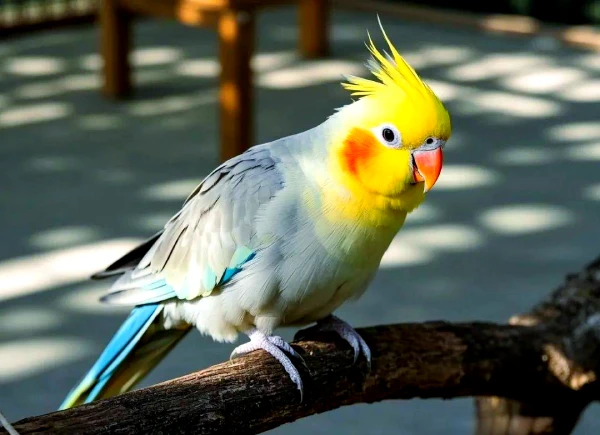

1. Basic Cockatiel Facts
| Attribute | Details |
|---|---|
| Scientific name | Nymphicus hollandicus |
| Native range | Australia |
| Average lifespan (pet) | 15–25 years (often longer with excellent care) |
| Size | 12–13 inches (30–33 cm) |
| Weight | 80–120 grams |
| Conservation status | Least Concern |
2. Gentle and Predictable Temperament
2.1 Naturally Calm Personality
From a veterinary behavioral perspective, cockatiels are:
- Mild-mannered
- Less prone to aggression
- Highly tolerant of handling when properly socialized
This makes them particularly suitable for:
- Families
- First-time bird owners
- Apartment living
2.2 Low Bite Risk
While any parrot can bite, cockatiel bites are rarely severe and usually related to fear or poor handling—not dominance or aggression.
3. Strong Bonding Without Extreme Dependence
Unlike larger parrots that often develop unhealthy emotional dependency, cockatiels form balanced, healthy bonds with humans.
Veterinary experience shows cockatiels:
- Enjoy interaction without demanding constant attention
- Cope better with short periods alone
- Are less prone to anxiety-driven behaviors (e.g., feather destruction)
4. Manageable Noise Levels
4.1 Ideal for Apartments
Cockatiels are:
- Far quieter than macaws, amazons, or cockatoos
- Known for pleasant chirps and whistling rather than screaming
4.2 Vocal but Not Overwhelming
They communicate through:
- Whistles
- Contact calls
- Soft vocalizations
This makes them a practical choice for shared living environments.
5. Excellent Whistlers and Mimics
While cockatiels are not known for extensive speech, they excel in whistling and sound mimicry.
- Many males learn songs, tunes, and household sounds
- Vocal learning provides mental enrichment and emotional expression
From a veterinary enrichment standpoint, this reduces boredom-related behavioral issues.
6. Intelligent and Easy to Train
Cockatiels demonstrate:
- Strong pattern recognition
- High food-motivation for training
- Quick learning of step-up, recall, and target behaviors
Positive reinforcement training improves:
- Trust
- Handling safety
- Mental stimulation
- Long-term welfare
7. Relatively Simple Care Requirements
7.1 Diet
A healthy cockatiel diet includes:
- High-quality pellets (60–70%)
- Fresh vegetables (leafy greens, carrots, squash)
- Limited fruits and seeds
7.2 Housing
- Medium-sized cage
- Horizontal bars for climbing
- Daily out-of-cage time
Compared to larger parrots, cockatiels require less space and fewer structural modifications.
8. Fewer Severe Behavioral Disorders
In clinical practice, cockatiels show:
- Lower rates of feather plucking than African greys
- Less hormonal aggression than amazons
- Fewer destructive behaviors than cockatoos
This contributes to a more stable long-term ownership experience.
9. Long Lifespan With Proper Veterinary Care
With:
- Balanced nutrition
- Environmental enrichment
- Annual avian veterinary exams
Many cockatiels live well beyond 20 years, offering long-term companionship without the extreme longevity commitment of larger parrots (50–80+ years).
🔗 Association of Avian Veterinarians (AAV)
https://www.aav.org
10. Ethically and Sustainably Kept Species
Cockatiels are:
- Widely bred in captivity
- Not typically wild-caught for the pet trade
- Classified as Least Concern by conservation authorities
Responsible ownership supports ethical aviculture and minimizes pressure on wild populations.
11. Who Are Cockatiels Best For?
Cockatiels are an excellent choice for:
- First-time bird owners
- Families with older children
- Seniors
- Apartment dwellers
- Owners seeking affection without excessive intensity
They are one of the most forgiving parrot species for new keepers.
Veterinarian’s Final Assessment
From a medical, behavioral, and welfare perspective, cockatiels stand out because they are:
✔ Gentle and affectionate
✔ Intelligent and trainable
✔ Relatively quiet
✔ Emotionally stable
✔ Easy to care for
✔ Ethically sourced
✔ Long-lived but manageable
These qualities collectively make cockatiels one of the best pet birds in the world.
Authoritative References
- IUCN Red List – Nymphicus hollandicus
https://www.iucnredlist.org/ - Association of Avian Veterinarians (AAV)
https://www.aav.org - Merck Veterinary Manual – Avian Care & Behavior
https://www.merckvetmanual.com - Ritchie BW et al., Avian Medicine: Principles and Application
Medical Disclaimer
This article is for educational purposes only and does not replace professional veterinary advice. Always consult a certified avian veterinarian for individualized care recommendations.
Article title: Cockatiel Facts: Why Cockatiels Are One of the Best Pet Birds
Article link: https://www.parrot234.com/cockatiel-facts-why-cockatiels-are-one-of-the-best-pet-birds/
Disclaimer: The content of this site is contributed by users, compiled from the Internet, or edited by AI, so no guarantee can be made for the authenticity of the content! Please judge the authenticity of the content by yourself! However, if you find any suspected: plagiarism, infringement, illegal and irregular, suspected fraud, false and bad content, please contact this site in time through the "Contact & Suggestion" channel at the bottom. This site always maintains an active and cooperative attitude to deal with various problems, so after receiving the email, the corresponding content will be deleted!
