
Grapes are a common household fruit, and many lovebird owners wonder whether sharing them with their birds is safe. From an avian veterinary and nutritional standpoint, grapes can be safely fed to lovebirds, but only under strict moderation and proper preparation.
This article explains whether grapes are safe, how much to feed, potential risks, and best practices, based on veterinary experience and avian nutrition science.
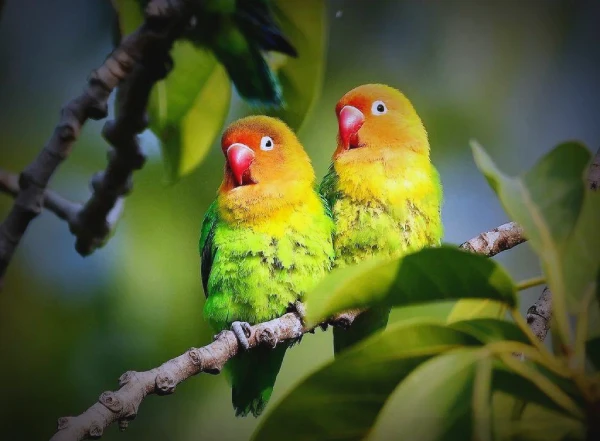

1. Are Grapes Safe for Lovebirds?
Yes, grapes are non-toxic and safe for lovebirds (Agapornis species) when fed occasionally and in small quantities.
Lovebirds generally enjoy the taste and texture of grapes, and most individuals tolerate them well. However, grapes should never be a daily food.
2. Nutritional Value of Grapes for Lovebirds
Grapes offer some nutritional benefits, but they are not nutritionally complete.
Beneficial Nutrients
- Vitamin C – supports immune health
- Vitamin K – contributes to normal blood clotting
- Antioxidants – help reduce oxidative stress
- High water content – supports hydration
Nutritional Concerns
- High natural sugar content
- Low protein, calcium, and essential minerals
Veterinary insight: Excessive sugary fruits are a common contributor to obesity and fatty liver disease in small parrots.
3. How Much Grape Can a Lovebird Eat?
Grapes should be considered an occasional treat, not a staple.
Safe Feeding Guidelines
- Portion size: ¼ of a grape, cut into small pieces
- Frequency: 1–2 times per week
- Serving style: Fresh, raw, and thoroughly washed
Always remove uneaten grapes within 1–2 hours to prevent bacterial or fungal growth.
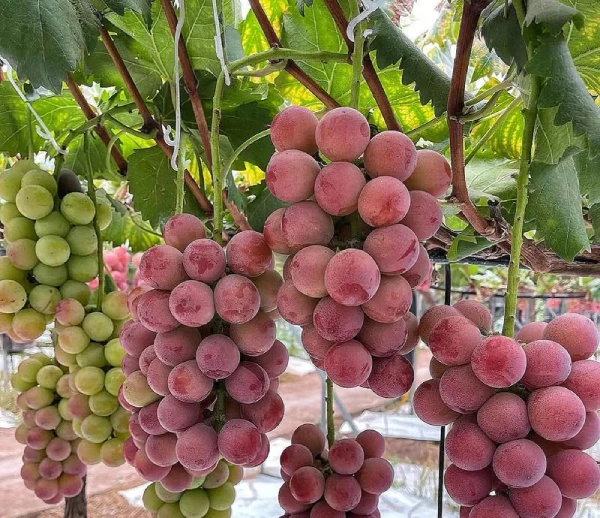
4. Can Lovebirds Eat Grape Seeds?
Grape seeds are not recommended.
While not proven toxic to birds, grape seeds:
- Are difficult to digest
- May pose a choking risk
- Offer no nutritional advantage
Seedless grapes are strongly preferred, or seeds should be removed before feeding.
5. Potential Risks of Feeding Too Many Grapes
Based on clinical observation, excessive grape consumption may lead to:
- Weight gain
- Loose or watery droppings
- Reduced pellet or vegetable intake
- Imbalanced nutrition over time
From a veterinary perspective, fruit overfeeding is one of the most common diet mistakes seen in pet parrots.
6. How to Safely Prepare Grapes for Lovebirds
Follow these veterinarian-approved steps:
- Choose organic or pesticide-free grapes when possible
- Wash thoroughly under running water
- Remove seeds (if present)
- Cut into very small pieces
- Serve raw only (never dried or cooked)
Avoid:
- Raisins or dried grapes (concentrated sugar)
- Grape juice
- Sweetened or preserved grape products
7. Where Do Grapes Fit in a Proper Lovebird Diet?
A healthy lovebird diet should consist of:
| Food Category | Recommended Percentage |
|---|---|
| High-quality pellets | 60–70% |
| Fresh vegetables | 20–30% |
| Fruits (including grapes) | ≤10% |
| Seeds | Treats only |
Grapes fall strictly into the fruit category and should never replace pellets or vegetables.
8. Natural Diet Context of Lovebirds
Lovebirds (Agapornis spp.) are native to Africa, where they naturally consume:
- Seeds and grasses
- Leafy vegetation
- Seasonal fruits and berries
Grapes are not part of their wild diet, which reinforces the need for moderation in captivity.
🔗 IUCN Red List – Agapornis (Lovebird) Species
https://www.iucnredlist.org/search?query=Agapornis&searchType=species
Most lovebird species are classified as Least Concern, though some populations face threats from habitat loss and trapping.
9. Common Feeding Mistakes to Avoid
| Mistake | Why It’s Harmful |
|---|---|
| Feeding grapes daily | Excess sugar intake |
| Offering large pieces | Choking risk |
| Using fruit instead of pellets | Nutritional deficiencies |
| Leaving fruit in cage too long | Bacterial contamination |
10. Veterinary Conclusion
- Lovebirds can eat grapes safely
- Only in small portions
- Limit to 1–2 times per week
- Prioritize pellets and vegetables for daily nutrition
When fed responsibly, grapes can be a safe enrichment treat, but they should never dominate the diet.
Authoritative References
- IUCN Red List – Lovebird (Agapornis spp.)
https://www.iucnredlist.org/search?query=Agapornis&searchType=species - Association of Avian Veterinarians (AAV)
https://www.aav.org - Merck Veterinary Manual – Avian Nutrition
https://www.merckvetmanual.com
Veterinary Disclaimer
This article is for educational purposes only and does not replace professional veterinary advice. Consult a qualified avian veterinarian for individualized dietary guidance.
Article title: Can Lovebirds Eat Grapes?
Article link: https://www.parrot234.com/can-lovebirds-eat-grapes/
Disclaimer: The content of this site is contributed by users, compiled from the Internet, or edited by AI, so no guarantee can be made for the authenticity of the content! Please judge the authenticity of the content by yourself! However, if you find any suspected: plagiarism, infringement, illegal and irregular, suspected fraud, false and bad content, please contact this site in time through the "Contact & Suggestion" channel at the bottom. This site always maintains an active and cooperative attitude to deal with various problems, so after receiving the email, the corresponding content will be deleted!
