
Green-cheeked conures (Pyrrhura molinae) are intelligent, active parrots with specific dietary needs. As an avian veterinarian, one of the most common nutrition questions I receive is whether coconut is safe for parrots, particularly for small conure species.
The short answer is yes—green-cheeked conures can eat coconut, but only in moderation and in the correct form. This guide explains the nutritional value, benefits, risks, and best practices for safely feeding coconut to your conure.
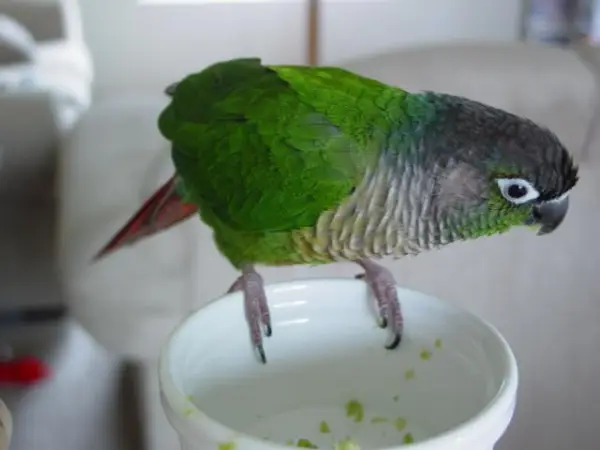

1. Understanding the Green-Cheeked Conure’s Natural Diet
In the wild, green-cheeked conures inhabit South American forests and feed on:
- Fruits
- Seeds
- Berries
- Plant matter
- Occasional nuts
According to species data from the IUCN Red List, Pyrrhura molinae is classified as Least Concern, but habitat and diet diversity are essential for long-term health in captivity.
Coconut does not naturally occur in their native range, so it should be considered a supplemental treat, not a dietary staple.
2. Is Coconut Safe for Green-Cheeked Conures?
Veterinary Verdict: Yes, when fed correctly
Plain, unsweetened coconut is non-toxic to parrots. However, coconut is very high in fat, which changes how often and how much should be offered.
Safe coconut forms include:
- Fresh raw coconut meat
- Unsweetened, dried coconut flakes
- Small amounts of coconut oil (rarely)
3. Nutritional Profile of Coconut (Avian Perspective)
Coconut contains:
- Healthy medium-chain fatty acids
- Small amounts of fiber
- Trace minerals (potassium, manganese)
However, it is:
- High in saturated fat
- Low in protein
- Low in essential vitamins parrots require daily
From a veterinary nutrition standpoint, coconut is energy-dense but nutritionally incomplete for parrots.
4. Potential Benefits of Coconut for Conures
When fed sparingly, coconut may offer limited benefits:
4.1 Feather and Skin Support
The natural fats can help support:
- Feather condition
- Skin hydration
4.2 Enrichment and Foraging
Small coconut pieces can be used as:
- Training rewards
- Foraging toys
- Novel enrichment foods
Mental stimulation is critical for preventing behavioral disorders in conures.
5. Risks of Feeding Coconut to Green-Cheeked Conures
5.1 Obesity and Fatty Liver Disease
Excess dietary fat is a leading cause of hepatic lipidosis in pet parrots.
5.2 Digestive Upset
Too much coconut may cause:
- Loose droppings
- Reduced appetite
- Gastrointestinal imbalance
5.3 Processed Coconut Products (Unsafe)
Never feed:
- Sweetened coconut
- Coconut candy
- Coconut milk with additives
- Coconut products containing preservatives or sugar
6. How to Safely Feed Coconut to a Green-Cheeked Conure
Recommended Serving Size
- 1–2 small pea-sized pieces
- No more than once or twice per week
Preparation Guidelines
- Use raw or unsweetened coconut only
- Remove shell completely
- Chop into small, manageable pieces
- Serve at room temperature
7. Coconut Oil: Is It Safe?
Coconut oil is not toxic, but it is extremely concentrated.
Veterinary recommendation:
- Only a tiny drop (rarely)
- Used occasionally for feather conditioning or medication delivery
- Never added regularly to food bowls
8. Healthier Alternatives to Coconut
For daily nutrition, prioritize foods that better match avian dietary needs:
- Leafy greens (kale, dandelion greens)
- Bell peppers
- Broccoli
- Berries
- Papaya and mango (small amounts)
These foods provide superior vitamin and antioxidant content compared to coconut.
9. When to Avoid Coconut Entirely
Do not feed coconut if your conure has:
- Obesity
- Liver disease
- Chronic diarrhea
- A veterinarian-prescribed low-fat diet
Always consult an avian veterinarian before introducing high-fat foods.
10. Veterinary Conclusion
Green-cheeked conures can eat coconut safely, but it should be:
- Offered rarely
- Fed in very small amounts
- Treated as a special reward, not a dietary staple
A balanced diet built around formulated pellets, vegetables, and limited fruit remains the cornerstone of long-term health.
Trusted References
- IUCN Red List – Pyrrhura molinae
- Association of Avian Veterinarians (AAV)
- Harrison’s Bird Foods – Avian Nutrition Research
Medical Disclaimer
This article is intended for educational purposes only and does not replace professional veterinary care. Always consult a qualified avian veterinarian regarding your bird’s diet or health.
Article title: Can a Green-Cheeked Conure Eat Coconut?
Article link: https://www.parrot234.com/can-a-green-cheeked-conure-eat-coconut/
Disclaimer: The content of this site is contributed by users, compiled from the Internet, or edited by AI, so no guarantee can be made for the authenticity of the content! Please judge the authenticity of the content by yourself! However, if you find any suspected: plagiarism, infringement, illegal and irregular, suspected fraud, false and bad content, please contact this site in time through the "Contact & Suggestion" channel at the bottom. This site always maintains an active and cooperative attitude to deal with various problems, so after receiving the email, the corresponding content will be deleted!
