
Budgerigars (Melopsittacus undulatus) are intelligent, social parrots with complex emotional needs. When those needs are unmet, behavioral problems often develop. From a veterinary perspective, behavior is a health indicator, not merely a training issue.
This guide explains common budgie behavioral problems, their medical and environmental causes, and evidence-based solutions.
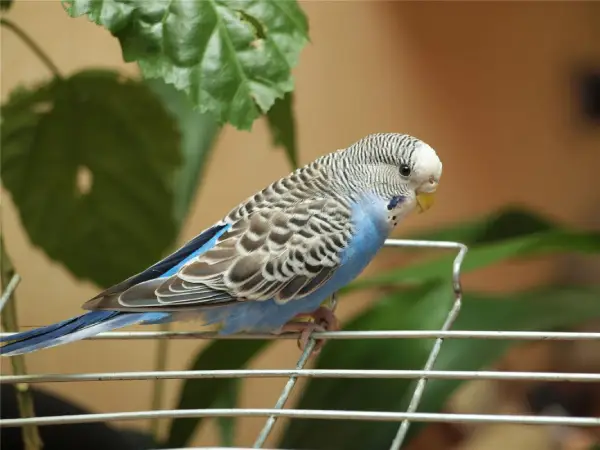

1. Understanding Budgerigar Behavior (Veterinary Perspective)
Budgies are:
- Highly social flock birds
- Prey species with strong fear responses
- Cognitively advanced relative to body size
Behavioral problems usually stem from:
- Chronic stress
- Environmental deprivation
- Hormonal imbalance
- Underlying illness
A sudden behavior change should always prompt a health evaluation.
2. Most Common Budgerigar Behavioral Problems
2.1 Biting and Aggression
Clinical causes include:
- Fear or lack of trust
- Territorial behavior (cage guarding)
- Hormonal stimulation
- Pain or illness
Veterinary insight:
A budgie that suddenly bites may be responding to discomfort rather than “bad temperament.”
Management strategies:
- Avoid forced handling
- Use positive reinforcement training
- Reduce nesting triggers (dark spaces, mirrors)
2.2 Excessive Screaming or Vocalization
Normal vs abnormal:
- Normal: Morning and evening flock calls
- Problematic: Constant, frantic, or stress-related screaming
Common triggers:
- Loneliness
- Environmental boredom
- Inconsistent human interaction
Clinical recommendation:
Provide:
- Structured daily interaction
- Environmental enrichment
- Predictable routines
2.3 Feather Plucking and Self-Mutilation
This is a medical red flag.
Possible causes:
- Nutritional deficiencies
- Skin infections or parasites
- Chronic stress or anxiety
- Hormonal disorders
Veterinary protocol:
- Full physical examination
- Bloodwork if necessary
- Diet correction and stress reduction
Behavioral feather damage should never be ignored.
2.4 Fearfulness and Panic Flying
Budgerigars are prone to panic due to their prey instincts.
Common triggers:
- Sudden noises
- Poor lighting
- Unfamiliar objects
Risk factors:
- Night frights
- Wing or head injuries
Prevention:
- Consistent cage placement
- Soft night lighting
- Gradual environmental changes
2.5 Obsessive or Repetitive Behaviors
Examples include:
- Bar chewing
- Repetitive pacing
- Excessive preening
These behaviors indicate chronic psychological stress.
Primary cause:
Environmental deprivation.
Veterinary recommendation:
Increase foraging opportunities and mental stimulation.
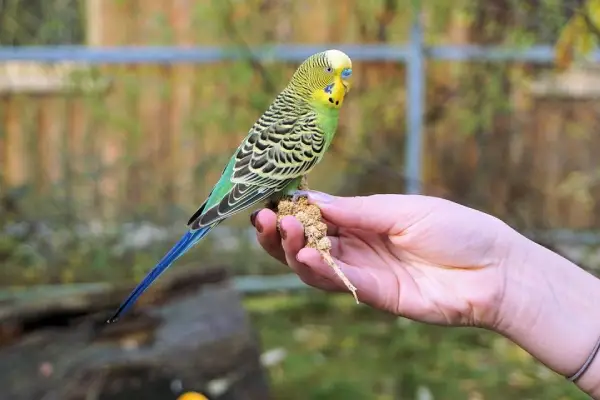
3. Hormonal Behavioral Issues
Budgies experience hormonal cycles even in captivity.
Hormone-driven behaviors include:
- Aggression
- Territoriality
- Excessive nesting behavior
Triggers to avoid:
- Nest boxes without breeding intent
- Excessive daylight (>12 hours)
- Soft, mushy foods year-round
Hormonal management is often environmental, not medical.
4. Medical Causes That Mimic Behavioral Problems
As an avian veterinarian, I frequently diagnose medical issues behind “behavior problems.”
Possible medical causes:
- Gastrointestinal discomfort
- Reproductive disease
- Heavy metal toxicity
- Nutritional imbalances
Rule of thumb:
Behavioral changes without an obvious cause should be medically evaluated.
5. Environmental Factors That Contribute to Behavioral Problems
5.1 Inadequate Cage Size
Small cages increase stress and frustration.
Minimum recommendation:
- Horizontal flight space
- Room for full wing extension
5.2 Lack of Mental Stimulation
Budgies require:
- Foraging toys
- Social interaction
- Visual and auditory engagement
Boredom is a leading cause of behavioral deterioration.
5.3 Social Isolation
Budgerigars are flock animals.
Risk factors:
- Single birds without daily interaction
- Inconsistent caregiver presence
Both human interaction and same-species companionship can meet social needs when managed correctly.
6. Evidence-Based Behavior Correction Strategies
6.1 Positive Reinforcement Training
- Reward calm, desired behaviors
- Never punish or yell
6.2 Routine and Predictability
- Fixed feeding times
- Consistent lighting schedules
6.3 Diet Optimization
- Pelleted base diet
- Fresh vegetables
- Limited seed intake
Nutrition directly influences mood and behavior.
7. When to Seek Veterinary Help
Immediate veterinary evaluation is warranted if:
- Behavior changes suddenly
- Feather loss is present
- Appetite decreases
- Aggression escalates rapidly
Behavior is often the first visible symptom of disease.
8. Professional Veterinary Summary
From clinical experience, most budgerigar behavioral problems are:
- Preventable
- Reversible
- Linked to environment, diet, or health
Behavior should always be approached as a welfare indicator, not a discipline issue.
Medical Disclaimer
This article is for educational purposes only and does not replace professional veterinary diagnosis or treatment. Consult a certified avian veterinarian for persistent or severe behavioral concerns.
Article title: Budgerigar Behavioral Problems
Article link: https://www.parrot234.com/budgerigar-behavioral-problems/
Disclaimer: The content of this site is contributed by users, compiled from the Internet, or edited by AI, so no guarantee can be made for the authenticity of the content! Please judge the authenticity of the content by yourself! However, if you find any suspected: plagiarism, infringement, illegal and irregular, suspected fraud, false and bad content, please contact this site in time through the "Contact & Suggestion" channel at the bottom. This site always maintains an active and cooperative attitude to deal with various problems, so after receiving the email, the corresponding content will be deleted!
