
The guide also explains distinct cockatiel growth stages, outlining developmental milestones and behavioral changes. By understanding these core pillars—feeding, handling, and growth monitoring—you can ensure your chick develops into a sociable, robust adult bird.
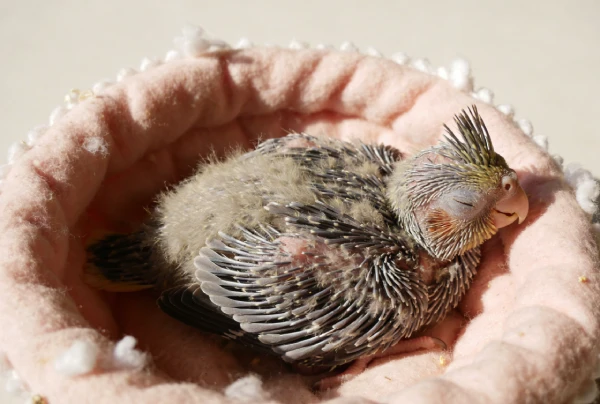

Baby Cockatiel Care: A Complete Guide for New Owners
Raising a baby cockatiel is an incredibly rewarding experience that requires dedication, knowledge, and a gentle touch. Proper care during these formative weeks is crucial for lifelong health and temperament. This guide breaks down the core aspects of baby cockatiel care into manageable steps, focusing on feeding, handling, and understanding growth stages.
1. Understanding Your Baby Cockatiel’s Needs
A baby cockatiel, or chick, is entirely dependent on you for warmth, nutrition, and safety. Unlike adult birds, chicks cannot regulate their body temperature effectively and lack a developed immune system. The primary goals during this period are:
- Nutrition: Providing complete, species-appropriate nutrition via hand-feeding formula.
- Safety: Maintaining a clean, warm, and stress-free brooder environment.
- Socialization: Beginning gentle, positive interactions to foster a bond and prevent future behavioral issues.
Recognizing that their needs change rapidly is key. What works for a 2-week-old chick will not suit a 6-week-old fledgling.
2. The Value of Specialized Early Care
Investing time in proper baby cockatiel care pays dividends for decades. Correct hand-feeding prevents life-threatening conditions like crop stasis or aspiration pneumonia. Proper handling techniques build a foundation of trust, resulting in a confident, friendly companion bird less prone to fear-based biting or screaming. Meticulously monitoring cockatiel growth stages allows you to catch any developmental delays or health issues early, enabling prompt veterinary intervention.
3. Execution Strategies: Feeding, Handling, and Monitoring
A. Feeding Your Baby Cockatiel
Hand-feeding is the most critical skill. Always use a commercial hand-feeding formula designed for parrots (like Kaytee Exact or Roudybush), mixed precisely according to package directions.
- Tools: Use a dedicated syringe or spoon with a bent tip. The formula temperature should be lukewarm (about 104-106°F / 40-41°C)—test on your wrist.
- Schedule: New hatchlings may need feeding every 2 hours. By 3-4 weeks, you can typically move to every 4-5 hours. Always ensure the crop (the pouch at the base of the neck) is fully empty before the next feeding.
- Weaning: Around 6-8 weeks, chicks begin exploring soft foods. Introduce moistened pellets, millet spray, and chopped veggies. Weaning is gradual; continue offering formula until the chick consistently eats enough solid food on its own.
B. Safe Handling and Socialization
- Technique: Always support the chick’s body and feet. Let it sit comfortably in your cupped hand. Never squeeze or restrain tightly.
- Bonding: Start with short, calm sessions several times a day. Speak softly, offer gentle head scratches (once feathers develop), and associate your presence with the positive experience of feeding.
- Safety: Wash hands before and after handling. Ensure the room is warm, quiet, and free from drafts, other pets, or hazards.
C. Navigating Growth Stages
- Hatchling (0-10 days): Eyes closed, minimal down. Focus on constant warmth (95-97°F), humidity, and frequent feedings.
- Nestling (10-25 days): Eyes open, pin feathers emerge. They become more active and vocal. The brooder temperature can be gradually reduced to about 85°F.
- Fledgling (4-8 weeks): Feathers unfurl, and they begin attempting to leave the nest (brooder). This is the prime weaning period. Provide soft perches and a larger, safe area to explore.
- Weaning to Independence (8-12+ weeks): Fully feathered and learning to fly. Solid food intake increases. This stage is vital for training and establishing routines.
4. Helpful Tools and a Case Study
- Essential Tools: A high-quality brooder with a thermostat-controlled heat source, accurate gram scale for daily weight checks, feeding syringes, digital thermometer, and humidity gauge.
- Case Study: A chick experiencing slow weight gain during the fledgling stage. By daily weighing (a crucial tool), the owner identified the issue early. A consultation with an avian vet ruled out infection. The solution was adjusting the formula concentration and offering more enticing weaning foods like sprouted seeds, leading to healthy weight restoration. This underscores the importance of vigilant monitoring throughout all cockatiel growth stages.
Your Baby Cockatiel Questions Answered
Q1: How do I know if the hand-feeding formula is the right temperature?
A: The safest method is to use a thermometer. The ideal range is 104-106°F (40-41°C). Always test a drop on the sensitive skin of your inner wrist—it should feel warm, not hot. Formula that is too cold can cause crop issues, while formula that is too hot can cause severe crop burns.
Q2: Is it normal for my baby cockatiel to sleep a lot?
A: Yes, chicks spend most of their time sleeping between feedings to support rapid growth. However, they should be alert, warm, and have a strong feeding response when awake. Lethargy, coldness, or a weak feeding reflex are signs of illness and require immediate attention from an avian veterinarian.
Q3: When can I start teaching my baby cockatiel to step up?
A: You can introduce the “step-up” command as early as the fledgling stage (around 5-6 weeks), once they are steady on their feet. Use a gentle finger against their lower chest as a perch and give the command. Always use positive reinforcement like verbal praise.
Q4: What is “crop stasis,” and how can I prevent it?
A: Crop stasis (sour crop) is when food stops moving from the crop into the digestive system. Prevent it by ensuring formula is the correct temperature and consistency, feeding on a regular schedule so the crop empties fully, and keeping feeding instruments impeccably clean. According to the Association of Avian Veterinarians (AAV), proper hygiene is paramount in preventing bacterial and fungal infections in chicks.
Conclusion
Successful baby cockatiel care hinges on mastering three interconnected areas: precise hand-feeding with proper formula and tools, gentle handling techniques to build a lifelong bond, and knowledgeable tracking of cockatiel growth stages to ensure normal development. By creating a warm, safe environment and following a consistent care schedule, you empower your chick to thrive. Always be prepared to consult an avian specialist for guidance, ensuring your feathered friend gets the best possible start in life.
Article title: Baby Cockatiel Care Guide: Feeding, Handling, and Growth Stages
Article link: https://www.parrot234.com/baby-cockatiel-care-guide/
Disclaimer: The content of this site is contributed by users, compiled from the Internet, or edited by AI, so no guarantee can be made for the authenticity of the content! Please judge the authenticity of the content by yourself! However, if you find any suspected: plagiarism, infringement, illegal and irregular, suspected fraud, false and bad content, please contact this site in time through the "Contact & Suggestion" channel at the bottom. This site always maintains an active and cooperative attitude to deal with various problems, so after receiving the email, the corresponding content will be deleted!
