
Macaws are among the most striking and charismatic birds on Earth. Because of their beauty, intelligence, and long lifespan, many cultures have associated them with positive symbolism, including good fortune. As an avian veterinarian, I evaluate these beliefs with both cultural understanding and scientific clarity. This article explores whether macaws are considered good luck, what the symbolism means, and how these beliefs relate to macaw ownership and welfare.
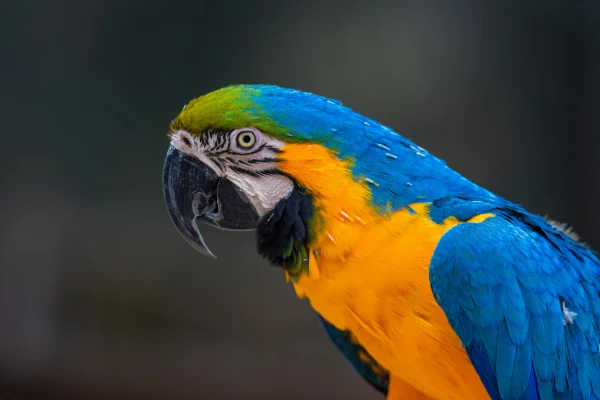

1. The Cultural Symbolism of Macaws
While macaws are not inherently “good luck” in the literal or medical sense, they hold strong positive symbolic value in several cultures. Their brilliant plumage, strong social bonds, and long life have made them powerful icons of:
- Vitality
- Prosperity
- Freedom
- Vision and awareness
- Longevity
These associations, while not scientific, influence how people perceive and relate to macaws worldwide.
2. Cultural Beliefs That Consider Macaws Good Luck
2.1 Indigenous Cultures of Central and South America
Macaws originate from the Neotropical regions, and Indigenous communities have revered them for centuries.
Common symbolic meanings include:
- Messenger between the human world and the spirit world
- Symbol of sunlight and energy, due to their bright plumage
- Emblem of fertility and abundance
- Representation of community and social harmony, mirroring their flock behavior
In some tribes, macaw feathers are used in ceremonial clothing to invoke protection and success.
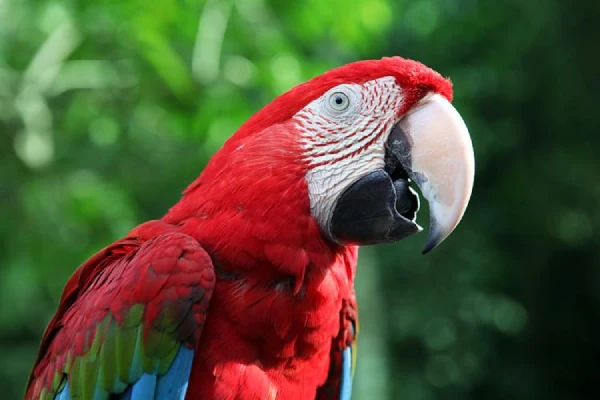
2.2 South American Folklore
In countries such as Brazil, Peru, and Bolivia, macaws are associated with:
- Good omens when they appear near villages
- Rainforest guardians, symbolizing ecological balance
- Wisdom, because of their intelligence and long lifespan
While these beliefs vary by region, macaws consistently represent positive energy.
2.3 Modern Symbolism
Macaws are frequently viewed as icons of:
- Good fortune and prosperity
- Exotic luxury and beauty
- Strength and resilience
- Emotional connection, due to their lifelong bonds with mates
This symbolism often influences people to choose macaws as pets—though this decision should never be based solely on superstition.
3. Are Macaws Scientifically “Good Luck”?
From a veterinary standpoint, macaws do not bring luck in any measurable or scientific way. They are living beings with complex needs, not objects of fortune. However, their presence can positively affect human well-being.
3.1 Psychological Benefits
Macaws may contribute to:
- Reduced stress
- Enhanced feelings of companionship
- Increased mental stimulation
- Improved emotional regulation
These benefits could be perceived as “good luck” by enhancing quality of life.
4. Why People Believe Macaws Bring Luck
Several traits reinforce the impression of macaws as symbols of good fortune:
1. Their Vibrant Colors
Bright colors in nature often symbolize life, strength, and positivity.
2. Their Long Lifespan
Macaws living 50–80 years can represent longevity and stability.
3. Their Strong Pair Bonds
Macaws mate for life, symbolizing loyalty and trustworthy relationships.
4. Their Intelligence
Their problem-solving skills and ability to mimic speech contribute to a perception of wisdom.
5. Their Presence in Art and Mythology
Macaws appear in Indigenous art, rainforest mythology, and modern decorative symbolism.
5. Important Considerations Before Getting a Macaw for “Luck”
As an avian veterinarian, I strongly advise evaluating a macaw scientifically and ethically—not based on superstition.
5.1 Macaws Require Intensive Care
They need proper:
- Veterinary care
- Nutrition
- Enrichment
- Socialization
- Housing
- Flight space
Without these, their quality of life declines quickly.
5.2 They Are Highly Demanding Companions
Macaws are:
- Loud
- Energetic
- Emotionally sensitive
- Strong biters
- Prone to behavioral disorders if neglected
They are not simple household “good luck charms.”
5.3 Ethical and Legal Considerations
Some macaws are endangered, regulated by CITES, and require responsible sourcing from legal, ethical breeders.
6. Conclusion: Do Macaws Bring Good Luck?
Culturally, yes—macaws are widely regarded as symbols of good fortune, vitality, and spiritual positivity.
Scientifically, no—macaws do not influence luck but can greatly enrich their owners’ emotional well-being when cared for properly.
Ultimately, a macaw’s presence should be appreciated for what it truly is:
A highly intelligent, social, long-lived bird requiring expert care—never an ornament of superstition.
Article title: Are Macaws Good Luck?
Article link: https://www.parrot234.com/are-macaws-good-luck/
Disclaimer: The content of this site is contributed by users, compiled from the Internet, or edited by AI, so no guarantee can be made for the authenticity of the content! Please judge the authenticity of the content by yourself! However, if you find any suspected: plagiarism, infringement, illegal and irregular, suspected fraud, false and bad content, please contact this site in time through the "Contact & Suggestion" channel at the bottom. This site always maintains an active and cooperative attitude to deal with various problems, so after receiving the email, the corresponding content will be deleted!
